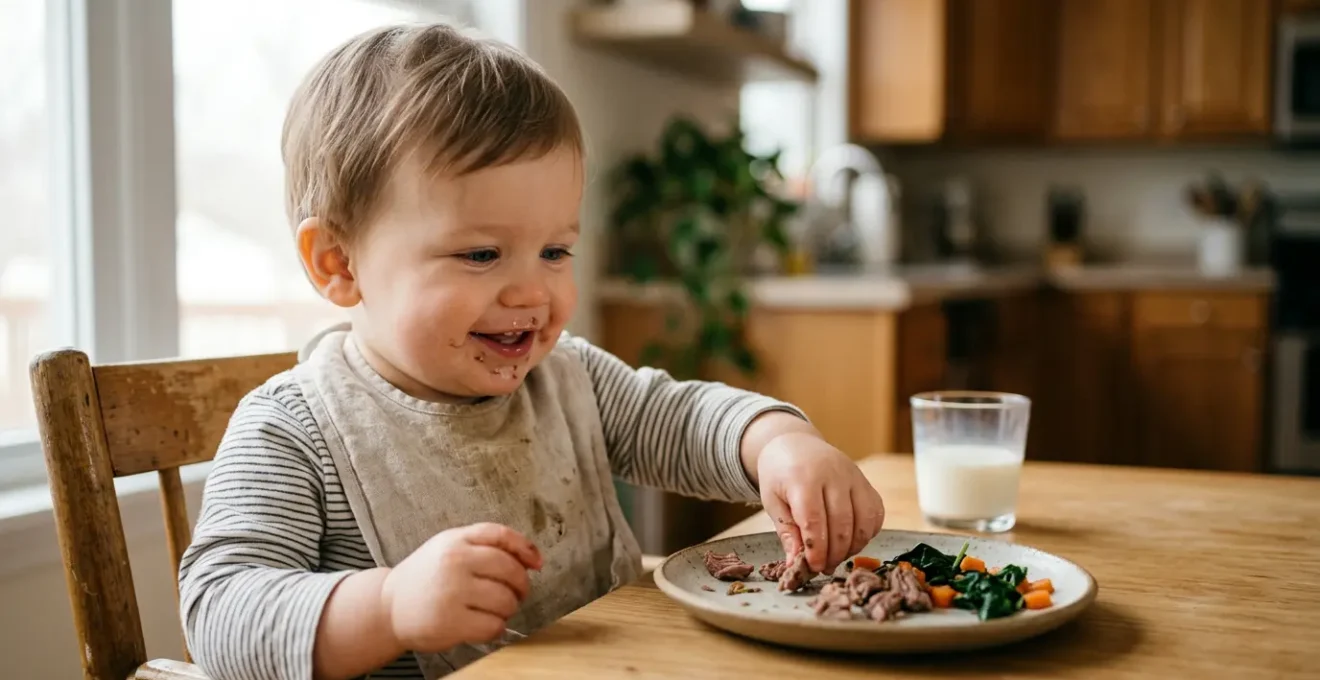
Your toddler’s reliance on cow’s milk is not just filling them up; it’s actively blocking the absorption of iron, a critical nutrient for brain development.
- Heme iron from meat is up to seven times more bioavailable than the non-heme iron found in vegetables like spinach.
- Key nutrients for growth, such as Vitamin D and B12, are often dangerously low in UK children and those on restricted diets without strategic supplementation.
- Gummy vitamins, often seen as an easy fix, pose a high risk of accidental overdose and dental issues, making them a poor substitute for targeted supplements.
Recommendation: Treat mealtime like a strategic operation: separate calcium-rich foods (like milk) from iron-rich meals by at least two hours and always pair plant-based iron with a source of Vitamin C.
It is a scenario I see in my clinic daily: a concerned parent describes their toddler who adores cow’s milk, drinking it to the exclusion of almost everything else. They push away the steak pieces you meticulously prepared, they ignore the green vegetables on their plate, but they will always accept another cup of milk. The common advice is to simply « limit the milk » and « keep offering iron-rich foods. » While not incorrect, this advice dangerously underestimates the severity of the situation. This is not merely a case of a full tummy crowding out other foods.
You are witnessing a silent, internal conflict. The massive intake of cow’s milk is launching a direct biochemical assault on your child’s ability to absorb iron. The calcium in milk acts as a powerful antagonist, a saboteur in your child’s gut, preventing this essential mineral from entering their bloodstream. This isn’t just about picky eating; it’s about a nutritional battlefield where a failure to intervene can lead to iron deficiency anaemia, a condition with potentially irreversible consequences for cognitive development and physical growth.
This is not a guide to coaxing a picky eater. This is a strategic warning. We will dissect the mechanisms of this biochemical sabotage, expose the myths around « healthy » plant-based iron sources, and arm you with the non-negotiable tactics required to protect your child. We will move beyond platitudes and into the critical science of nutrient absorption, providing a clear action plan to ensure your child’s developmental trajectory is not derailed by this common but perilous dietary pattern.
To navigate this complex topic, we will break down the essential strategies and warnings. This article provides a clear roadmap, from understanding the vast differences in iron sources to implementing safe supplementation and navigating the challenges of alternative diets.
Summary: A Paediatrician’s Guide to Preventing Toddler Anaemia
- Meat vs Spinach: Why Your Child Absorbs Only 5% of Iron from Vegetables?
- The Orange Juice Trick: How to Double Iron Absorption from Cereal?
- Rickets is Back: Why UK Weather Makes Supplementation Non-Negotiable?
- Is a Vegan Diet Safe for a Growing Child Without Expert Planning?
- Gummy Vitamins: Are They Just Expensive Sweets or Necessary?
- Which 3 Micronutrients Are Most Critical for Preventing Stunting in Toddlers?
- Calcium for Cow’s Milk Allergy: How to Get Enough from Plant-Based Sources?
- Baby-Led Weaning vs Purees: Reducing Choking Risks for UK Infants
Meat vs Spinach: Why Your Child Absorbs Only 5% of Iron from Vegetables?
Parents are often told to load their child’s plate with spinach for iron. This is dangerously misleading advice based on a fundamental misunderstanding of nutritional science. There are two types of dietary iron, and they are not created equal. Heme iron, found in meat, poultry, and fish, is the clear victor in the absorption battlefield. In contrast, non-heme iron, found in plants like spinach, lentils, and fortified cereals, is significantly harder for the body to utilise.
The numbers are stark. Research confirms that the body can absorb between 15-35% of the heme iron from animal sources. For non-heme iron, that figure plummets to a mere 2-20%. Spinach, the poster child for plant-based iron, is particularly problematic. It contains compounds called oxalates, which act as nutrient antagonists by binding to iron and preventing its absorption. The result? Your child’s body may only absorb as little as 5% of the iron from that « healthy » serving of spinach.
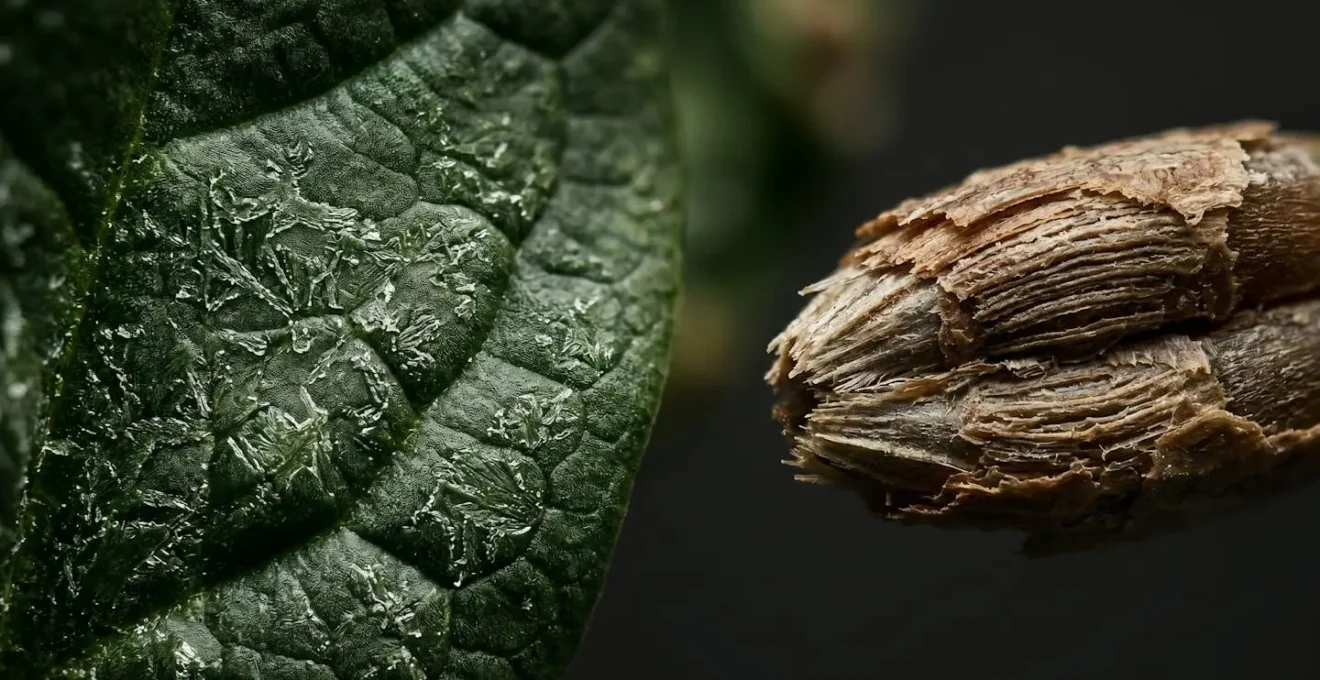
This illustration of plant textures hints at the physical reality: the nutrients are locked within complex cellular structures, guarded by compounds like oxalates and phytates. Relying solely on vegetables to meet a toddler’s demanding iron needs is a failing strategy. While plants are a vital part of a balanced diet, they cannot be the primary soldiers in the fight against iron deficiency, especially when a high-calcium diet is actively working against you.
This disparity means that to get the same amount of absorbed iron, a child would need to consume a biologically impossible volume of spinach compared to a small, manageable portion of red meat. When your child is already filling up on milk, every bite must count, and relying on inefficient iron sources is a risk you cannot afford to take.
The Orange Juice Trick: How to Double Iron Absorption from Cereal?
While heme iron from animal products is the most efficient source, it is not always practical or desirable for every meal. For non-heme iron sources, like fortified cereals or lentils, we must employ a strategic ally: Vitamin C. This is the science behind the « orange juice trick. » Vitamin C is a potent enhancer of non-heme iron absorption, effectively converting it into a form that is more readily available to the body. Pairing an iron-fortified breakfast cereal with a small glass of orange juice can, in theory, significantly boost the amount of iron your child’s body actually uses.
However, we must be guided by clinical reality, not just textbook theory. While the effect is real, a 2020 randomized clinical trial reported that the overall clinical benefit in a complete, varied diet is more modest than in isolated single-meal studies. It is a helpful tactic, not a magic bullet. The real power comes from consistent, intelligent food pairing while simultaneously eliminating the antagonists. The most significant antagonist at breakfast is often milk itself. Pouring cow’s milk over an iron-fortified cereal is an act of nutritional self-sabotage; the calcium in the milk will inhibit the absorption of the very iron the cereal is designed to provide.
Your Action Plan: Maximising Iron Absorption
- Strategic Pairing: Serve an iron-fortified cereal or other non-heme iron source with a high Vitamin C food at the same meal. Low-sugar options include bell pepper strips, strawberries, kiwi, or broccoli florets.
- Enforce a « No-Calcium Zone »: Do not serve milk, yoghurt, or cheese within 2 hours (before or after) an iron-focused meal. The same applies to tea, which contains tannins that also block absorption.
- Get Creative with Vitamin C: For picky eaters who refuse fruit, blend red bell pepper (a Vitamin C powerhouse) and tomato into a dip to be served with iron-fortified crackers or toast fingers.
- Read the Cereal Label: Choose cereals fortified with ferrous sulfate or ferrous fumarate, which are more bioavailable forms of iron than ferric forms.
- Plan Ahead: If breakfast is a high-iron meal (e.g., fortified oatmeal with berries), ensure the morning milk drink is given at least two hours earlier or later, perhaps as a mid-morning snack.
This strategic approach transforms mealtime from a hopeful offering into a calculated nutritional intervention, ensuring you are actively helping, not hindering, your child’s iron uptake.
Rickets is Back: Why UK Weather Makes Supplementation Non-Negotiable?
As a paediatrician in the UK, I must issue a stark warning about another nutrient deficiency that has made an alarming comeback: nutritional rickets. This disease, which causes soft and deformed bones, is caused by a severe deficiency of Vitamin D. For those of us in the United Kingdom, relying on sunshine to produce enough Vitamin D is a dangerously flawed strategy. Our northern latitude and notoriously overcast weather mean that from October to March, the sun’s rays are not strong enough for our skin to synthesise this crucial vitamin.
The data is frightening. A 2020 UK surveillance study revealed an annual incidence of 1.39 cases of rickets per 100,000 children under 5. The most damning finding was that a staggering 77.6% of these children were not taking the recommended Vitamin D supplements. This is not a historical disease; it is a clear and present danger in our communities, driven by a lack of supplementation. The government’s own data underscores the scale of the problem, showing that almost 20% of children in the UK have Vitamin D levels lower than official recommendations.
The consequences of this deficiency are not trivial. They can be catastrophic. As the authors of the UK rickets study solemnly noted:
Serious complications and unexpected deaths, particularly in Black and South Asian children under 5 years, occurred.
– Priscilla Julies et al., Archives of Disease in Childhood, 2020
Given the UK’s geography and the proven risk, the conclusion is inescapable: daily Vitamin D supplementation is non-negotiable for all children, especially during the autumn and winter months. Relying on diet alone is insufficient, and relying on our sunshine is a gamble no parent should take with their child’s skeletal and immune health.
This is a public health directive that must be taken with the utmost seriousness. The UK government recommends a daily supplement containing 10 micrograms (400 IU) of vitamin D for children aged 1 to 4 years old. This is not a suggestion; it is a critical safety measure.
Is a Vegan Diet Safe for a Growing Child Without Expert Planning?
The question of whether a vegan diet is safe for a toddler is one that requires a direct and cautious answer. A well-planned, supplemented vegan diet can be safe. However, an unplanned or poorly managed vegan diet is one of the most dangerous nutritional paths for a growing child, posing a severe risk of malnutrition and irreversible harm. The margin for error is effectively zero.
The primary concern is not just iron, but a host of other nutrients, chief among them being Vitamin B12. This vitamin is found exclusively in animal products and is absolutely essential for neurological development and the formation of red blood cells. A deficiency can lead to devastating and permanent neurological damage. Alarmingly, an ESPGHAN systematic review in 2024 found that vegan children are at high risk of B12 deficiency without supplementation, with approximately 30% of vegan children’s diets not being supplemented. This is a terrifying statistic.
As experts in the field have warned, the consequences are not theoretical. They are documented in tragic case histories.
Case histories of malnutrition and serious harm persist, including irreversible neurological damage due to vitamin B12 deficiency among un-supplemented children.
– Malcolm et al., Proceedings of the Nutrition Society, 2021
Furthermore, parents often turn to plant-based milks as a substitute for cow’s milk, unaware that most are nutritionally inadequate for a growing toddler. Almond, oat, and rice milks are extremely low in protein and fat and are only suitable if heavily fortified with calcium and vitamins. The table below illustrates the stark differences.
| Milk Type | Protein (g/cup) | Calcium (mg/cup) | Vitamin D (mcg/cup) | Iron (mg/cup) | Suitability for Toddlers |
|---|---|---|---|---|---|
| Fortified Soy Milk | 7-8 | 300-450 | 2.5-3 | 0.5-1 | Best alternative (complete protein) |
| Fortified Pea Milk | 8 | 300-450 | 2.5 | Varies | Good (high protein) |
| Fortified Oat Milk | 2-4 | 300-350 | 2.5 | 0.5 | Moderate (low protein) |
| Fortified Almond Milk | 1 | 300-450 | 2.5 | 0.5 | Poor (very low protein) |
| Unfortified Plant Milk | Varies | 20-50 | 0 | Minimal | Not recommended (multiple deficiency risk) |
| Cow’s Milk (reference) | 8 | 300 | 2.5 (fortified) | 0 | Standard but inhibits iron absorption |
Undertaking a vegan diet for a toddler without the direct, ongoing supervision of a registered dietitian or paediatrician is an unacceptable risk. It requires meticulous planning, guaranteed supplementation (especially B12 and D), and careful monitoring to avoid a nutritional catastrophe.
Gummy Vitamins: Are They Just Expensive Sweets or Necessary?
In the face of picky eating, gummy vitamins can seem like a godsend to worried parents. They are easy to administer and readily accepted by children. However, from a medical standpoint, I view them with extreme caution. While better than no supplement at all, they are in almost every way an inferior, more dangerous, and more expensive option compared to traditional liquid drops or chewable tablets. Their primary selling point—that they look and taste like sweets—is also their greatest danger.
The high sugar content and sticky texture are a dentist’s nightmare, promoting tooth decay. But my primary concern is the significant risk of accidental overdose. Because children perceive them as candy, they are far more likely to consume a dangerous quantity if they gain access to the bottle. This is particularly hazardous for supplements containing iron. As MedlinePlus warns, iron overdose can be very dangerous in children, leading to severe poisoning. The friendly, fun appearance of a gummy vitamin masks a potent dose of medication.
Moreover, the manufacturing process for gummies often results in lower bioavailability and less precise dosages compared to other forms. They are packed with fillers, gelatin, and sugar, which can reduce the overall nutrient density. The following comparison makes the disadvantages clear.
| Supplement Form | Bioavailability | Accidental Overdose Risk | Sugar Content | Dental Impact | Cost (relative) | Picky Eater Acceptance |
|---|---|---|---|---|---|---|
| Liquid Drops | High (direct absorption) | Low (measured doses) | None to minimal | Low (may stain teeth) | $ | Moderate (mix with juice) |
| Chewable Tablets | High | Moderate | Low | Low | $ | Moderate |
| Gummy Vitamins | Lower (fillers reduce nutrient density) | HIGH (look like candy) | High (2-8g per gummy) | High (sugar + sticky) | $$$ | High |
| Powder (mixed in food) | High | Low (controlled dosing) | None | None | $$ | High (hidden in food) |
My recommendation is to always opt for liquid drops or powders for infants and toddlers, which can be easily measured and mixed into food or drink. They are safer, more effective, and more economical. Gummy vitamins should be considered a last resort, used only when all other forms have been refused, and stored with the same caution as any other potent medication: locked away and out of sight.
Which 3 Micronutrients Are Most Critical for Preventing Stunting in Toddlers?
While our focus has been on the immediate danger of iron deficiency anaemia, a broader view reveals a trio of micronutrients that are absolutely critical for preventing stunting and ensuring proper physical and cognitive growth. Stunting is not just about a child being short; it is a sign of chronic malnutrition that has long-term impacts on health and development. The three key players in this fight are iron, zinc, and iodine.
We have discussed iron at length; it is essential for carrying oxygen in the blood and for brain development. A deficiency leads not only to anaemia but also to fatigue, impaired immunity, and cognitive delays. Zinc is the master of growth and repair. It is a vital component of hundreds of enzymes involved in cell division, protein synthesis, and immune function. A lack of zinc can lead to growth retardation, loss of appetite (further exacerbating malnutrition), and increased susceptibility to infections. Iodine is the fuel for the thyroid gland, which produces hormones that regulate metabolism and are indispensable for brain and skeletal development from the fetal stage through early childhood. Iodine deficiency is the world’s leading preventable cause of intellectual disability.
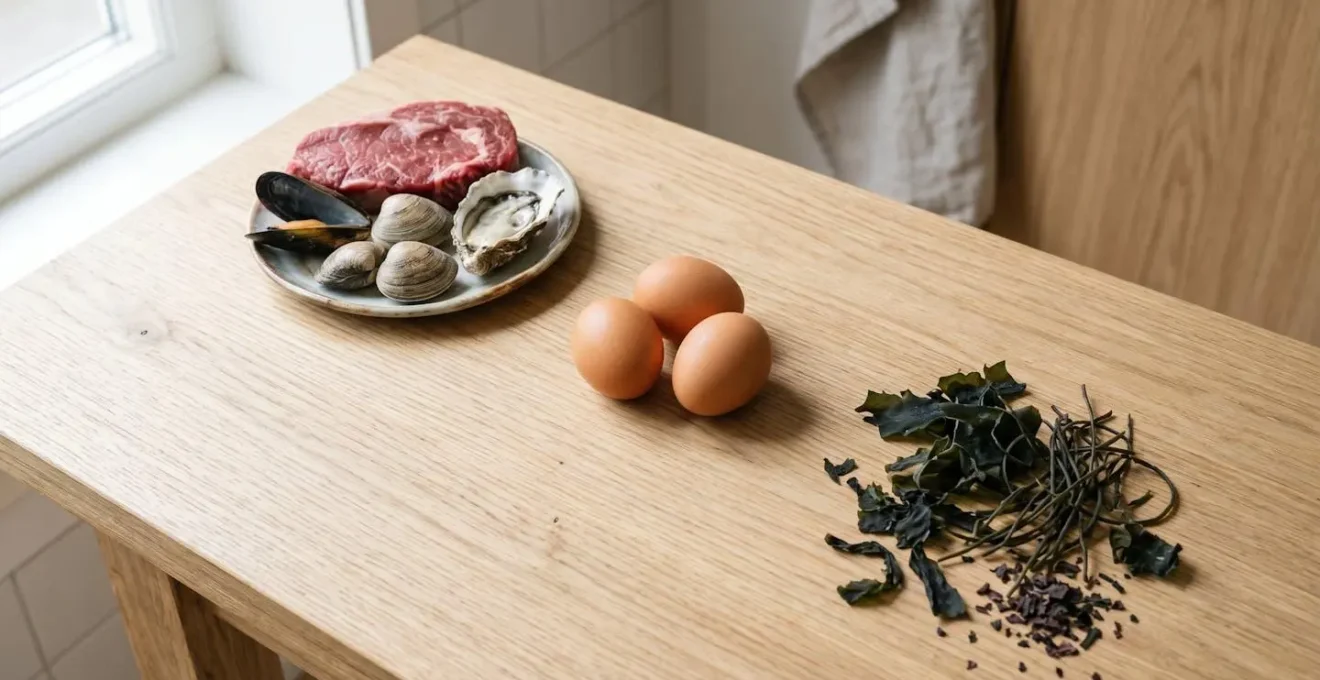
These three micronutrients work in synergy. A deficiency in one can impair the function of the others. Good sources of these nutrients often overlap. Red meat is an excellent source of both iron and zinc. Seafood and shellfish provide all three: iron, zinc, and iodine. Eggs are a good source of zinc and iodine. For families on plant-based diets, careful planning is needed to combine sources like lentils (iron, zinc), fortified cereals (iron, zinc), and seaweed or iodized salt (iodine) to cover all bases.
Ensuring your toddler’s diet contains reliable sources of these three micronutrients is a cornerstone of preventative health. Overlooking any one of them can compromise the very foundation of your child’s growth and developmental potential.
Calcium for Cow’s Milk Allergy: How to Get Enough from Plant-Based Sources?
For a child with a diagnosed Cow’s Milk Allergy (CMA), the challenge is flipped: instead of limiting calcium to enhance iron absorption, the primary goal becomes ensuring sufficient calcium intake for bone health without relying on dairy. This requires an equally strategic approach, as the world of plant-based calcium is fraught with the same absorption challenges we see with iron. The presence of oxalates and phytates in many plants can severely limit calcium bioavailability.
For instance, while spinach contains calcium on paper, research on plant-based calcium bioavailability shows that, just as with iron, the high oxalate content means only about 5% of its calcium is absorbed. In contrast, calcium-set tofu and fortified plant milks are far more efficient sources, with absorption rates around 30%, comparable to that of cow’s milk. Therefore, the cornerstone of a dairy-free calcium strategy is the selection of fortified foods and low-oxalate plant sources. A toddler over 12 months needs approximately 500mg of calcium per day, a target that is achievable with careful planning.
Your Action Plan: Calcium-Stacking for Dairy-Free Toddlers
- Fortified Milk is Key: Use fortified soy or pea milk as your base. A 200ml serving can provide around 300mg of calcium. Avoid unfortified almond or rice milk, which are nutritionally poor.
- Embrace Calcium-Set Tofu: Tofu prepared with calcium sulfate is an excellent source. A 50g serving can offer up to 200mg of calcium. Check the ingredients list for « calcium sulfate. »
- Leverage Tahini: This sesame seed paste is a calcium powerhouse. Two tablespoons contain approximately 130mg of calcium and can be easily mixed into dips like hummus or used as a spread.
- Check Labels on Bread and Cereal: Many breads and breakfast cereals are fortified with calcium. Make a habit of reading labels to identify these opportunities to « stack » calcium throughout the day.
- Maintain Nutrient Separation: The rule still applies. To ensure optimal absorption of both nutrients, continue to separate high-calcium meals from high-iron meals by at least two hours.
By combining several reliable, fortified, and bioavailable sources throughout the day, you can construct a diet that supports strong bone development without compromising the absorption of other essential minerals like iron.
Key takeaways
- The calcium in cow’s milk is a powerful inhibitor of iron absorption, creating a state of « biochemical sabotage » in a toddler’s gut.
- Plant-based (non-heme) iron is poorly absorbed; it must be paired with a source of Vitamin C and separated from calcium intake by at least two hours.
- For children in the UK, daily Vitamin D supplementation is a non-negotiable safety measure to prevent rickets, especially during autumn and winter.
Baby-Led Weaning vs Purees: Reducing Choking Risks for UK Infants
The debate between baby-led weaning (BLW) and traditional purees often centres on choking risk and motor skill development. While these are valid considerations, this focus often obscures a far more critical nutritional window. From a paediatric gastroenterologist’s perspective, the primary goal of the weaning period—regardless of method—is to successfully introduce and establish a preference for iron-rich foods before the baby’s birth stores are depleted.
Paediatric research identifies that between 9 and 24 months of age, the risk of iron deficiency increases dramatically. This is a critical period. A baby’s iron stores from birth run out, while their requirements for growth skyrocket. If a taste for iron-rich foods like meat, lentils, and fortified cereals is not established during this window, the path to picky eating and subsequent iron deficiency is laid. Both BLW and purees can succeed or fail at this. The key is intent. The first foods offered should not be low-nutrient fruits and vegetables, but rather iron-dense options.
Whether you offer soft, slow-cooked lamb strips (BLW) or pureed lentils and beef (traditional), the goal is the same. To mitigate choking risks while prioritising iron, all foods must be prepared to a safe consistency. Hard vegetables should be steamed until fork-tender, and whole nuts must be avoided. The following are safe, iron-rich first foods that align with NHS guidelines.
Your Action Plan: Safe, Iron-Rich First Foods for Weaning
- Soft-Cooked Meat Strips: Slow-cook beef or lamb until it can be easily shredded with gentle pressure. Offer it in strips about 5cm long that are easy for a baby to grasp.
- Iron-Fortified Infant Cereal: Mix the cereal with breast milk or formula to a thick, paste-like consistency. You can offer it on a spoon or spread it thinly on toast fingers for a baby to self-feed.
- Well-Cooked Legumes: Pressure-cook lentils or beans until they are very soft. Mash them slightly with a fork and offer them in small mounds or mixed into other soft foods.
- Avoid Choking Hazards: Always steam hard fruits and vegetables (like apple or carrot) until soft. Grapes and cherry tomatoes should be quartered lengthwise. Avoid whole nuts entirely.
- Prioritise the Flavour Window: Use the 6-12 month period to introduce a variety of iron-rich tastes, including lamb, sardines, and different types of lentils, to prevent the development of picky eating later on.
Ultimately, the weaning period is your single greatest opportunity to build the dietary foundations that will protect your child from iron deficiency. Do not waste this critical window on low-nutrient fillers. Make every bite an investment in their future health.