
Pediatric health and preventative child care
Ensuring optimal physical growth from an early age through clinical medical care and developmental pediatric monitoring.

The key role of the primary care pediatrician
Primary care pediatrics is a specialized field focused on the health of infants to adolescents. Its scope extends beyond treating acute illness to include newborn screenings, monitoring developmental milestones, and parental guidance. This continuous medical supervision is fundamental to diagnosing potential health issues and establishing a foundation for lifelong wellness.

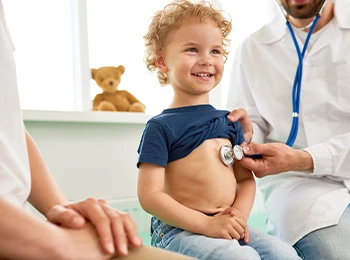
Routine preventative health screenings
Regular wellness check-ups allow for essential developmental screenings and BMI tracking using standardized percentile charts.
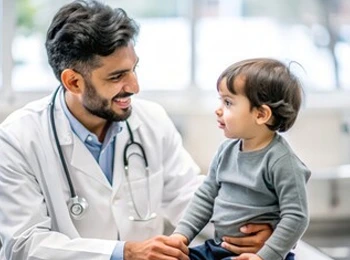
Management of acute common illnesses
Pediatricians clinically diagnose and treat a wide range of viral infections and common childhood bacterial diseases.
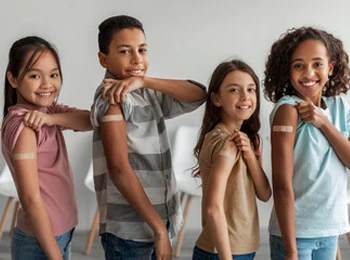
Routine vaccination schedules and immunization
Following a recommended vaccination schedule is a critical component of public health, protecting against contagious diseases.
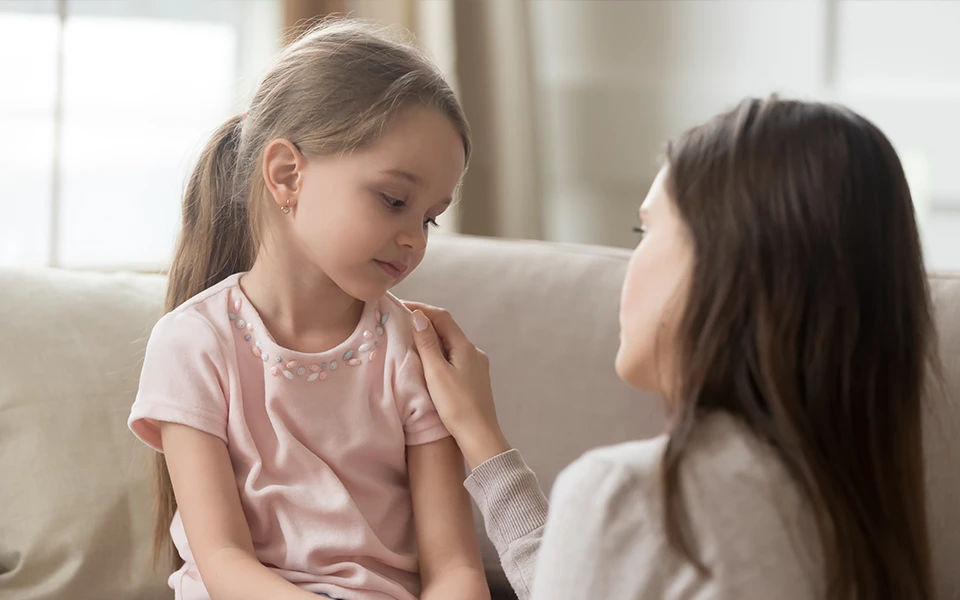
Meet the unique clinical needs of each child
Each child has specific physiological needs. Personalized medical monitoring allows for early detection of growth disorders, sensory deficits, and the adaptation of therapeutic interventions. This continuous assessment promotes harmonious development and ensures a better quality of life throughout childhood.
The Vital Role of Pediatric Nutrition
A micronutrient-rich diet is essential for neurodevelopment. It provides the vitamins needed for skeletal integrity, a strong immune system, and metabolic energy levels. Guardians play a key role in encouraging healthy dietary habits from an early age.

The Foundations of Positive Parenting Support
Supporting a child’s growth involves providing protective oversight, consistent emotional support, and clear behavioral boundaries.

Positive Discipline and Education
Teach children social norms, respect for others, and functional autonomy, while establishing clear authority boundaries.

Secure Attachment and Emotional Health
Develop a secure parent-child bond to strengthen self-esteem and emotional resilience.

Cognitive Development and Academic Learning
Stimulate curiosity, intellectual creativity, and academic skills through structured sensory activities.

Pillars of Holistic Balanced Family Health
Ensuring balanced family health involves taking into account essential dimensions: preventative medicine, nutritional planning, physical activity, mental hygiene, and health education. Each family member plays a role in creating a nurturing environment, where household communication promotes physical and psychological development.

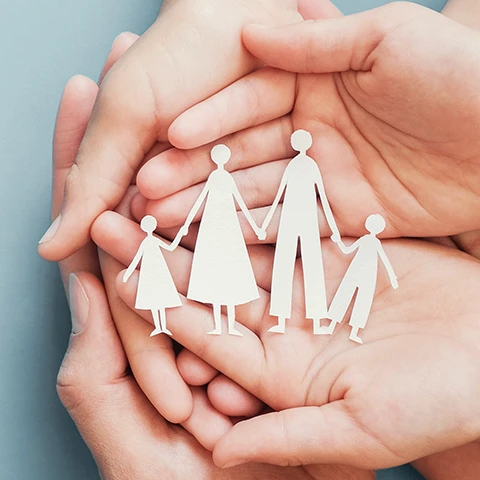



Child Protection: Ensuring Rights and Future
International children’s rights aim to ensure protection, development, and well-being in all societal spheres. They include the right to primary education, healthcare access, safety, and expression, while recognizing individual dignity. Despite these protections, many children still face scourges that threaten their fundamental rights:
- Illegal child labor
- Domestic violence and abuse
- Child exploitation and human trafficking
- Limited access to schooling and healthcare
Creating a Supportive Healthy Family Environment
Ensuring a healthy family environment is based on a balance between communication, security, and mutual support. Each family member must feel heard, while having clear household rules. Encouraging constructive dialogue, sharing leisure time, and celebrating successes helps strengthen affective bonds and create a framework conducive to children’s psychosocial development. A harmonious home promotes the wellness of all its members.
Extracurricular and educational activities for all ages
Offering children a variety of age-appropriate activities stimulates creativity, strengthens interpersonal social skills, and supports cognitive development.
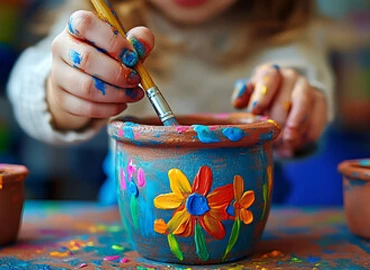
Artistic Creative Hobbies
Drawing, painting, crafts, modeling, or hands-on activities that stimulate imagination, dexterity, fine motor skills, and self-expression.
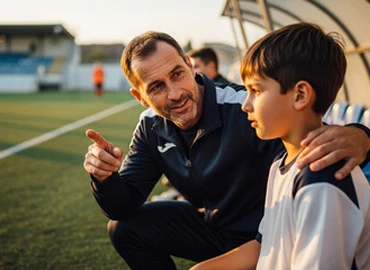
Athletic Sports Hobbies
Team or individual sports, swimming, dance, or gymnastics to develop motor coordination, muscular strength, and team spirit.
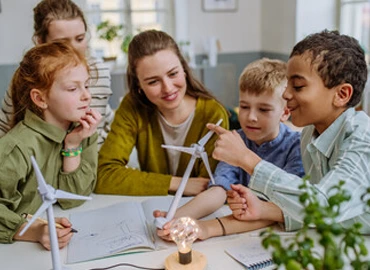
Learning-based Educational Hobbies
Board games, STEM workshops, reading, or interactive digital activities that encourage critical thinking and learning while having fun.