Children’s Health
Raising a child is a deeply rewarding journey, but it is often accompanied by a myriad of health questions, late-night worries, and complex administrative processes. From the sheer panic of an unexpected infant fever to the nuanced challenges of navigating the school system for a neurodivergent child, understanding the foundations of paediatric wellbeing is essential. This resource is designed to demystify the medical, developmental, and psychological milestones your child will encounter, providing you with clarity and confidence.
Whether you are trying to decipher the strict sickness policies of UK primary schools, advocating for your child’s educational needs, or simply wondering how to build their long-term immunity against winter bugs, taking a holistic approach is key. By combining medical guidelines with practical, everyday strategies, you can foster a supportive environment that allows your child to thrive physically, emotionally, and socially.
Navigating the Early Years: Infant Health and First Milestones
The first few months of a baby’s life are a steep learning curve for any parent. Amidst the sleep deprivation, it can be difficult to distinguish between normal physiological changes and genuine medical emergencies.
Recognising Red Flags and A&E Visits
When dealing with infants, swift action is sometimes non-negotiable. For instance, a fever in a baby under three months old is a strict red flag that warrants an immediate trip to A&E, rather than a wait-and-see approach with your GP. Their immune systems are highly vulnerable, and rapid assessment is crucial. Similarly, understanding the subtle signs of severe infection is vital; spotting mottled skin—a potential early indicator of sepsis—is a symptom you should never ignore.
To keep infants safe during sleep, adhering strictly to Lullaby Trust guidelines is paramount, even when exhaustion tempts you to take shortcuts. Safe sleeping environments drastically reduce the risks associated with sudden infant health scares.
Feeding and Common Skin Conditions
Beyond acute scares, daily care brings its own questions. Many parents struggle to assess if a breastfed or bottle-fed baby is actually getting enough milk, relying on wet nappy counts and weight gain rather than volume alone. You might also encounter common skin flare-ups. Telling the difference between harmless neonatal acne and early-onset eczema can often be done at home by observing whether the spots are accompanied by dry, irritated patches that seem to cause the baby discomfort.
When it comes to soothing a distressed infant, traditional remedies frequently spark debate. Gripe water, for example, remains widely recommended by families for colic, despite a distinct lack of clinical evidence supporting its efficacy, highlighting the enduring power of generational parenting habits.
Managing Common Childhood Illnesses and Building Immunity
As children grow and begin nursery or primary school, they are exposed to a wider world of pathogens. Managing these inevitable infections requires a balance of symptom relief and long-term immune support.
School Sickness Rules and Fever Management
UK primary schools are notorious breeding grounds for everything from chickenpox to scarlet fever. Outbreak management often dictates strict exclusion periods. The famous ’48-hour rule’ for vomiting and diarrhoea is rigorously enforced by schools to break the chain of highly contagious norovirus infections. When treating fevers at home, parents frequently wonder whether to use paracetamol (Calpol) or ibuprofen (Nurofen). While both are effective, they work differently; they can be staggered if a fever is stubbornly high and causing distress, but medical guidelines advise against routine mixing unless instructed by a healthcare professional.
If a child refuses rehydration salts like Dioralyte during a stomach bug, keeping them hydrated becomes a priority. Offering very small, frequent sips of diluted squash or using ice lollies can prevent hospital admission for dehydration.
Fostering Robust Long-Term Immunity
Building a child’s immune system goes beyond acute treatments. In fact, demanding antibiotics from your GP for a viral ‘green snot’ cold is counterproductive and weakens long-term immunity by disrupting the gut microbiome. Instead, consider these natural immunity boosters:
- Vitamin D Supplements: Current UK guidelines recommend supplements for all children during winter months due to insufficient sunlight.
- Sleep: The ’10-hour rule’ is critical; sleep deprivation directly drops the production of infection-fighting immune cells.
- Microbial Exposure: Playing in mud and early exposure to pets (like owning a dog) can actually reduce the risk of asthma and allergies by training the immune system.
- Nutrition: While elderberry supplements are popular, they cannot replace the complex micronutrients found in a diverse diet of whole berries and foods.
Physical Development: Bones, Vision, and Hearing
A child’s physical growth is rapid, and subtle developmental hurdles can easily go unnoticed until they impact learning or behaviour.
Spotting Hidden Hearing and Vision Issues
Hearing and vision are the primary channels through which children learn. Glue ear is incredibly common, with a vast majority of children experiencing some temporary hearing loss by age ten. For persistent cases, parents often have to weigh the benefits of surgical grommets against temporary hearing aids. Sometimes, a child can hear perfectly but cannot process the information—a condition known as Auditory Processing Disorder (APD), which might require school-funded FM systems in noisy classrooms.
Vision issues also present subtly. Squinting or a persistent head tilt are clear signs a child needs an optician’s assessment. Relying solely on the basic school nurse vision check is risky, as it frequently misses structural issues like astigmatism.
Supporting Healthy Bone Growth
From concerns about heavy school bags causing spinal damage to the mysterious aches of ‘growing pains’, musculoskeletal health is a constant theme. If leg pain is persistent, asymmetrical, or occurs during the day, it may warrant a blood test to rule out other conditions. For bone density, impact sports like trampolining are surprisingly more effective than non-weight-bearing activities like swimming. Additionally, if your child has a cow’s milk allergy, ensuring adequate calcium intake through fortified plant-based sources and leafy greens is essential for skeletal development.
Neurodiversity, Sensory Needs, and the UK EHCP Process
For children with specific medical, developmental, or neurodivergent needs, securing the right educational environment is a complex but vital journey.
Demystifying SEN Support and EHCPs
Navigating the Education, Health and Care Plan (EHCP) process can feel overwhelming. Parents do not have to wait for the school to initiate this; you can request an EHC Needs Assessment directly from your local authority. To build a strong case, specific consultant letters—particularly those that detail the direct educational impact of a medical condition—carry the most weight.
- Section F Mastery: Ensure that all medical and therapeutic provisions are explicitly specified and quantified (e.g., ‘1 hour of speech therapy per week’, not ‘access to therapy’).
- Transport Rights: Investigate if your child qualifies for free SEN transport to accommodate their medical requirements.
- Direct Payments: Explore whether personal budgets can be utilised to fund private therapies when NHS waiting lists are too long.
Sensory Regulation at Home
Children with sensory processing differences often need help regulating their nervous systems. Heavy work activities, such as carrying shopping bags or pushing a loaded laundry basket, provide deep proprioceptive input that calms a hyperactive child. Setting up DIY sensory circuits before the school run can focus energy levels. For tactile-defensive children who hate messy play, introducing dry textures slowly is key. Furthermore, using visual timetables rather than verbal nagging drastically improves routine transitions by reducing cognitive load.
Mental Wellbeing, Social Media, and Gender Identity
Modern childhood involves navigating a complex digital landscape and evolving social paradigms, both of which heavily impact mental health.
Protecting Self-Esteem in a Digital World
The digital age presents unique challenges to self-esteem. Social media algorithms easily trap children in feeds flooded with diet content and unrealistic beauty standards. Protecting them involves teaching digital literacy, such as spotting hidden sponsored ads in beauty tutorials. Merely removing ‘like’ counts does not solve the comparison crisis; instead, equipping children with Cognitive Behavioural Therapy (CBT) techniques helps them reframe their ‘inner critic’. Cultivating real-world hobbies over curating selfies is proven to build robust resilience against online pressure.
Supporting Gender-Diverse Children
Conversations around gender identity require immense empathy and up-to-date legal knowledge. Understanding the current NHS legal position on puberty blockers is crucial for families seeking medical guidance. At a school level, parents must often advocate for their child’s rights regarding gender-neutral uniforms and the correct use of pronouns. For older children, handling a legal Deed Poll for a name change under the age of 16 requires parental consent and careful administrative navigation. Crucially, distinguishing between gender dysphoria and general clinical depression ensures the child receives the most appropriate psychological support.
Fostering Confidence Through Active and ‘Risky’ Play
Physical activity and independence are fundamental to a child’s psychological development, yet modern parenting often leans towards overprotection.
The Psychology of ‘Risky’ Play
Allowing children to engage in so-called ‘risky play’—such as climbing trees, whittling with real tools, or managing small fire pits under supervision—actually reduces childhood anxiety. It teaches risk assessment and builds profound self-confidence. Knowing how to teach a child to check a branch before weighting it is a valuable life skill. Similarly, establishing a safe ‘roaming radius’ for a ten-year-old to cycle independently fosters autonomy.
Active Hobbies for the ‘Unsporty’ Child
Not every child thrives in traditional, competitive PE environments. Finding alternative active hobbies is essential for the ‘unsporty’ child. Solo or alternative sports often suit neurodivergent children perfectly:
- Parkour and Skateboarding: Excellent for self-directed progression and spatial awareness.
- Geocaching: Turns a mundane family walk into an engaging treasure hunt.
- Martial Arts: Judo and Karate offer structured discipline and physical conditioning without team-sport pressure.
- Street Dance: Builds coordination and rhythm without the strict aesthetic pressures of classical ballet.
Ultimately, safeguarding your child’s health is about looking at the bigger picture. By staying informed about medical guidelines, advocating fiercely for their educational needs, and nurturing their mental and physical resilience, you lay the foundation for a healthy, balanced, and confident life.
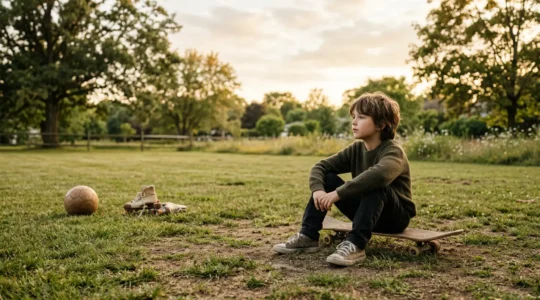
Hating PE: Finding Active Hobbies for the ‘Unsporty’ Child
The secret to engaging an « unsporty » child isn’t forcing them into another sport; it’s decoding their unique sensory and psychological needs and finding activities that provide « stealth health. » Traditional team…
Lire la suite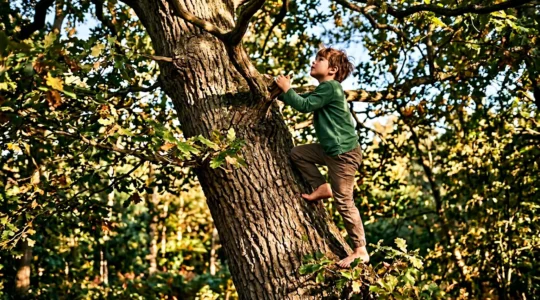
Risky Play: Why Letting Your Child Climb Trees Reduces Anxiety
The relentless drive to keep children safe has paradoxically contributed to soaring anxiety; the solution is not more safety, but smarter, manageable risks. Risky play is a neurobiological process that…
Lire la suite
Supporting Gender Diverse Kids: Navigating Pronouns and Uniforms at School
When your child comes out, your loving support is the foundation, but navigating school systems requires a specific, informed strategy. Effective support moves beyond acceptance to active, informed advocacy within…
Lire la suite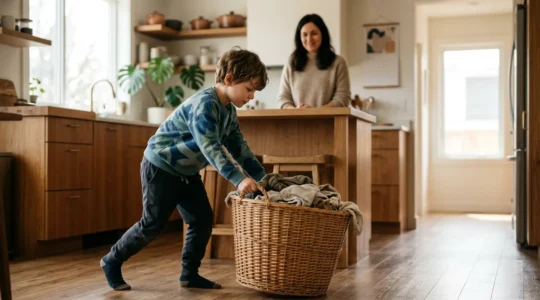
DIY Sensory Circuits: Regulating Energy Levels Before the School Run
In summary: Effective sensory circuits are not about tiring a child out, but about providing specific inputs to regulate their nervous system. Prioritize « heavy work » (proprioceptive input) like carrying or…
Lire la suite
Instagram vs. Reality: Protecting Your Daughter’s Self-Esteem from Filters
The key to protecting your daughter isn’t banning phones, but building a « validation portfolio » that makes online likes and filtered perfection irrelevant. Social media algorithms are designed to prey on…
Lire la suite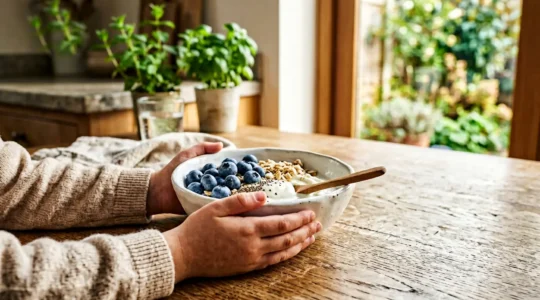
Boosting Immunity Naturally: Can Probiotics Prevent Winter Nursery Bugs?
Contrary to popular belief, you can’t « boost » a child’s immune system with supplements; you must train it through strategic exposure and protect its core functions. Overusing antibiotics for minor infections…
Lire la suite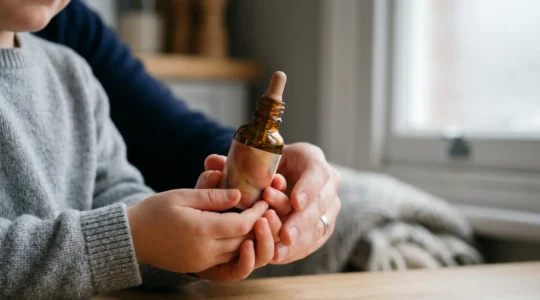
Vitamin D Guidelines: Why Every Child in the UK Needs Supplements in Winter
The mandatory UK winter Vitamin D supplement is not just a general guideline; it’s a clinical necessity to prevent a cascade of bone health issues, from bowed legs to compromised…
Lire la suite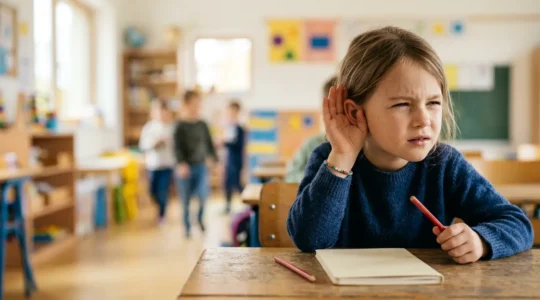
Glue Ear and Learning: Why 80% of Children Experience Hearing Loss by Age 10
Contrary to common belief, a child’s inattention or learning struggles are often not behavioral issues but symptoms of undetected hearing loss from glue ear, a « cognitive saboteur » that masquerades as…
Lire la suite
Navigating the EHCP Process for Children with Specific Medical Needs
Contrary to common advice, passively waiting for schools or the NHS is the fastest route to failure in the EHCP process. The system is designed to manage demand, not meet…
Lire la suite
A Parent’s Practical Guide to Managing Illness in UK Primary Schools
In summary: The 48-hour exclusion rule for vomiting/diarrhoea is strict because norovirus remains highly contagious even after symptoms stop. Use Calpol (paracetamol) as the first-line treatment for fever. Nurofen (ibuprofen)…
Lire la suite