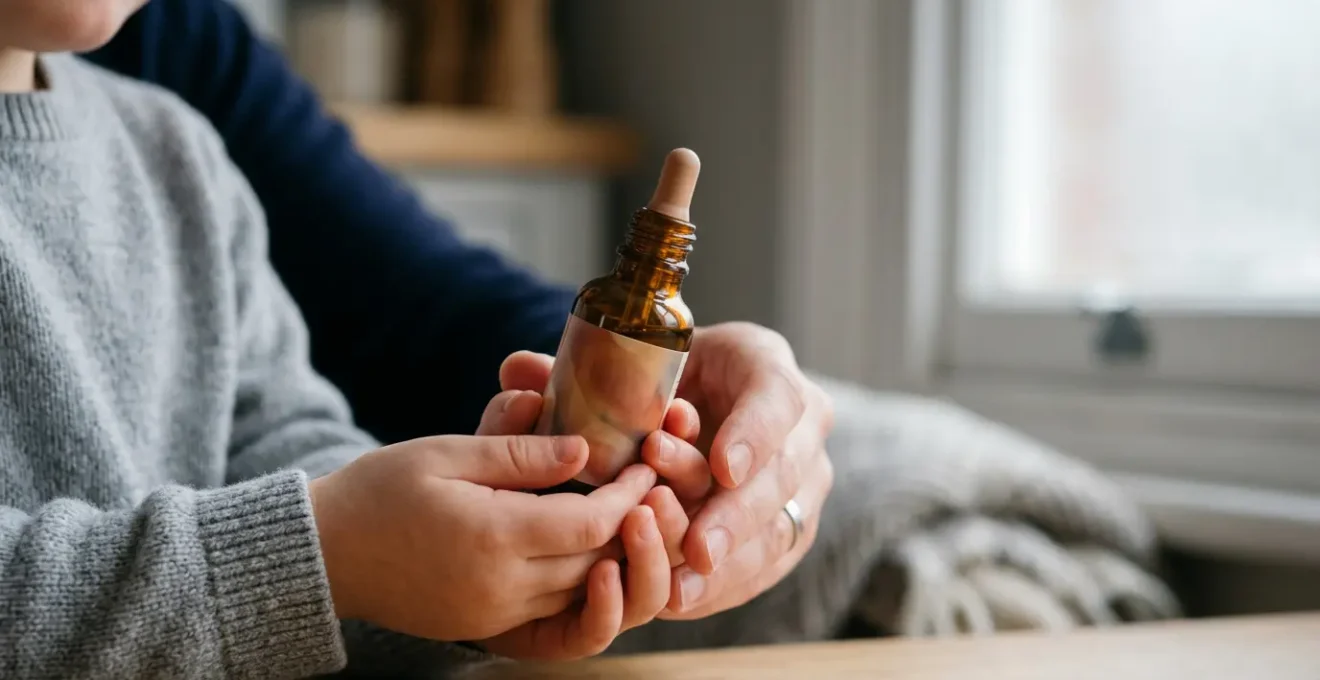
The mandatory UK winter Vitamin D supplement is not just a general guideline; it’s a clinical necessity to prevent a cascade of bone health issues, from bowed legs to compromised adult skeletal strength.
- Bone health depends on two pillars: the right nutrients (Vitamin D, bioavailable Calcium) and the right physical stress (high-impact activity).
- Seemingly unrelated childhood complaints like leg pain, food allergies, and even a dislike of PE are all connected to the core principles of building peak bone mass.
Recommendation: Shift your focus from simply following rules to understanding the ‘why’—how nutrition and mechanical loading work together—to make informed, proactive decisions for your child’s lifelong skeletal health.
As a paediatric rheumatologist in the United Kingdom, I see a familiar pattern emerge as the nights draw in and the sun becomes a scarce visitor. Parents arrive in my clinic, navigating a confusing landscape of public health advice, worried about their child’s bone health. You’ve heard the advice: every child needs a Vitamin D supplement during the autumn and winter. But the ‘why’ often gets lost, leading to uncertainty. Is it really that important? What about the rest of the year? And how does this single vitamin connect to complaints like growing pains, a heavy school bag, or a child who detests PE lessons?
The common approach is to view these issues in isolation. We treat bowed legs as a posture problem, milk allergies as a dietary inconvenience, and a heavy backpack as a temporary nuisance. The advice often stops at « give them a supplement » or « encourage them to play outside. » While well-intentioned, this fragmented view misses the fundamental principle that governs your child’s skeletal development: the intricate interplay between nutrition and mechanical force. A child’s skeleton is not a static frame; it is a dynamic, living tissue that is constantly being remodelled, reaching its peak bone mass—its strongest point—during adolescence.
This article moves beyond the simple directive to supplement. It offers a clinical framework for understanding the science behind the UK’s guidelines. We will explore why Vitamin D is the non-negotiable cornerstone, but also how it fits into a larger picture that includes calcium bioavailability, the specific type of exercise that builds bone, and the diagnostic signs that separate normal development from a call for medical review. The goal is to empower you, the parent, to see your child’s health not as a series of disconnected problems, but as an integrated system you can proactively support.
By understanding these core principles, you’ll be equipped to make informed decisions that build a robust skeletal foundation for your child, ensuring their health long after they’ve outgrown their winter coat. This guide will walk you through the key clinical considerations that connect these seemingly separate topics into a cohesive strategy for lifelong bone health.
Table of Contents: A Clinical Guide to Your Child’s Bone Health
- Bowed Legs: At What Age Is It No Longer Normal Physiological Bowing?
- Calcium for Cow’s Milk Allergy: How to Get Enough from Plant-Based Sources?
- Trampolining vs Swimming: Which Sport Actually Builds Bone Density?
- Heavy School Bags: Are They Really Causing Permanent Spine Damage?
- Growing Pains or Something Else: When Leg Pain Warrants a Blood Test?
- What Does a Bone Age X-Ray Reveal About Your Child’s Remaining Growth?
- Wild Swimming: Is It Safe for Kids and Where to Start?
- Hating PE: Finding Active Hobbies for the ‘Unsporty’ Child
Bowed Legs: At What Age Is It No Longer Normal Physiological Bowing?
The sight of bowed legs, or genu varum, is a common source of anxiety for parents. In most toddlers learning to walk, this is a completely normal developmental stage known as physiological bowing. The legs naturally straighten out as the child grows, typically by the age of two or three. However, when this bowing persists or worsens after age three, it may no longer be physiological. It can be a clinical sign of an underlying issue, most notably a nutritional deficiency. This is where the UK’s focus on Vitamin D becomes critically important, as severe deficiency can lead to rickets, a condition that causes bones to become soft and weak, resulting in skeletal deformities.
The link is not just theoretical; it’s supported by clinical data. When we investigate persistent bowing, a Vitamin D check is standard procedure. Research has shown that a significant number of children with persistent genu varum have insufficient levels of this crucial vitamin. One study, for example, confirmed that 39% of children with genu varum had vitamin D insufficiency/deficiency, a stark contrast to the 14% found in the control group. This highlights that what might be dismissed as a simple « posture » issue can be the first visible sign of a systemic nutritional gap.
Therefore, the key for a parent is observation over time. Physiological bowing should improve, not worsen. If your child’s bowing is severe, asymmetrical (affecting one leg more than the other), or continues to be prominent past the age of three, a consultation with a GP or paediatrician is warranted. It is not a reason to panic, but an important prompt to ensure their nutritional status, particularly their Vitamin D levels, is adequate to support healthy bone remodelling and straightening.
Calcium for Cow’s Milk Allergy: How to Get Enough from Plant-Based Sources?
While Vitamin D is essential for absorbing calcium, having enough calcium in the diet is the other half of the equation. This becomes a significant clinical challenge for children with Cow’s Milk Protein Allergy (CMPA), a common issue in the UK. When dairy is removed from the diet, parents are rightly concerned about finding adequate calcium replacements. However, simply choosing plant-based foods labelled « high in calcium » is not enough. The crucial concept here is bioavailability—the amount of a nutrient your body can actually absorb and use.
Different foods have vastly different calcium bioavailability. For instance, while spinach is rich in calcium on paper, it’s also high in oxalates, compounds that bind to calcium and severely inhibit its absorption. According to the National Institutes of Health, the body’s calcium absorption from spinach is only about 5%, compared to around 30% from dairy products or fortified foods. This means a child would need to eat an enormous and impractical amount of spinach to get the same benefit as a glass of fortified plant-based milk.
For parents managing CMPA, the strategy must be smart and focused on high-bioavailability sources. This is where food pairing and careful selection become key. The image below illustrates an ideal combination for maximizing plant-based calcium intake.
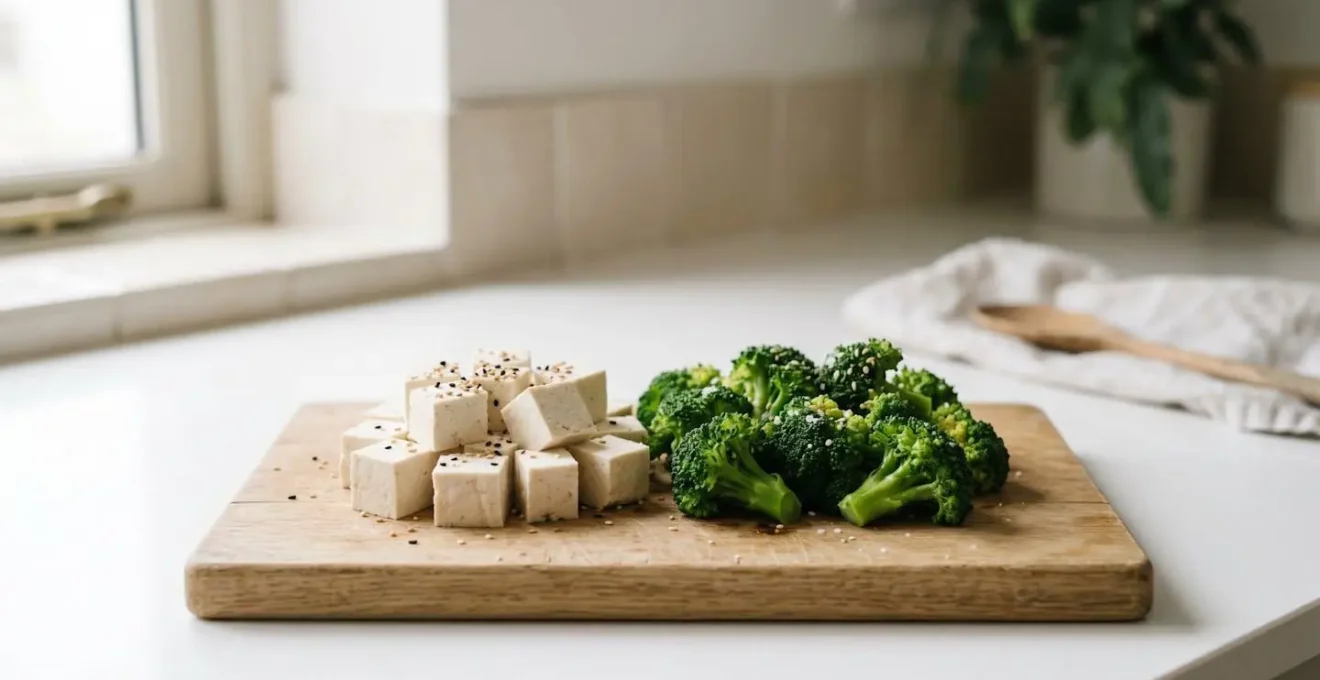
The solution lies in fortified foods and low-oxalate vegetables. Excellent sources include calcium-set tofu, fortified plant milks (soya, oat, or almond), sesame seeds (especially tahini), and green vegetables like broccoli, kale, and bok choy, which have much higher absorption rates than spinach. By focusing on these bioavailable options, you can ensure your child’s calcium needs are met, allowing the supplemented Vitamin D to do its job effectively in building a strong skeleton.
Trampolining vs Swimming: Which Sport Actually Builds Bone Density?
Once nutrition is optimised, the focus shifts to the second pillar of bone health: mechanical loading. This refers to the physical force or impact that stimulates bone-building cells (osteoblasts) to add density and strength. Many parents encourage activities like swimming, which is excellent for cardiovascular health and muscle tone, but it does very little for bone density. Because the water supports the body, swimming is a low-impact activity. To build bone, you need impact.
This is where activities like trampolining, jumping, and running excel. The repetitive, high-impact forces generated during these activities are precisely what bones need to grow stronger. The evidence is clear. A study on young female athletes demonstrated that trampolinists showed 21% higher failure load at the radius (a key bone in the forearm) compared to a control group, indicating significantly stronger and more resilient bones. It’s the jolt of landing that sends the signal: « We need to be stronger! »
This principle of impact is so critical that experts have quantified the force needed. As one specialist in exercise for bone health notes, the stimulus must be significant to trigger a response. This perspective is crucial for understanding what truly constitutes a bone-building activity:
You need 4-8x body weight impact to stimulate bone. For children this means jumping off a 24 inch box and for adults this means jumping off an 8 inch step.
– Beth Lambright, Bone Symposium – Expert Exercise Teacher
This doesn’t mean swimming or cycling should be avoided; they have other important health benefits. However, for the specific goal of maximizing peak bone mass during childhood and adolescence, parents should prioritize and encourage weight-bearing, high-impact activities. It’s the bounce in their step that builds the bank of bone they will rely on for the rest of their lives.
Heavy School Bags: Are They Really Causing Permanent Spine Damage?
The image of a small child dwarfed by a heavy backpack is another common parental concern. Worries about permanent spine damage, scoliosis, or stooped posture are frequent in my clinic. While the research is reassuring in that a heavy bag is highly unlikely to cause permanent structural damage like scoliosis in a child with a healthy spine, it can absolutely cause functional problems. These include back pain, neck strain, and poor posture habits, which are issues in their own right and can interfere with a child’s comfort and ability to concentrate.
The problem is not just the weight itself, but the body’s ability to carry that load effectively. This brings us back to the principle of mechanical loading, but from a different perspective: preparedness. A child with a strong core—the muscles of the abdomen, back, and pelvis—is far better equipped to manage the load of a backpack without compromising their posture. A strong core acts as a natural corset, stabilising the spine and distributing weight evenly. Therefore, the most proactive solution isn’t just to lighten the bag (though that is also important), but to strengthen the child.
Instead of just worrying about the load, we can prepare the body to carry it. Building core strength doesn’t require a formal gym routine. It can be achieved through simple, playful exercises at home. These movements help build the muscular foundation needed to support the spine against daily challenges like carrying a heavy bag.
Action Plan: Core Strength for Backpack Carrying
- Superman: Lie face down and simultaneously lift arms and legs off the ground. Hold for 5-10 seconds, focusing on squeezing the back and glute muscles.
- Plank: Hold the body in a straight line, supported on forearms and toes. Start with 20-30 seconds and gradually increase the time as strength builds.
- Bird-Dog: Start on hands and knees. Extend the opposite arm and leg straight out, keeping the back flat. Hold for 5 seconds on each side, focusing on stability.
- Bodyweight Squats: Practice proper squat form without weights. This builds strength in the legs and glutes, which support the core. Aim for 10-15 repetitions.
- Side Planks: Support the body on one forearm, keeping the body in a straight line. Hold for 15-20 seconds on each side to build lateral core stability.
By incorporating these simple exercises, you are not just preventing backache; you are teaching the body to be resilient and stable, a skill that supports good posture and overall physical health for years to come.
Growing Pains or Something Else: When Leg Pain Warrants a Blood Test?
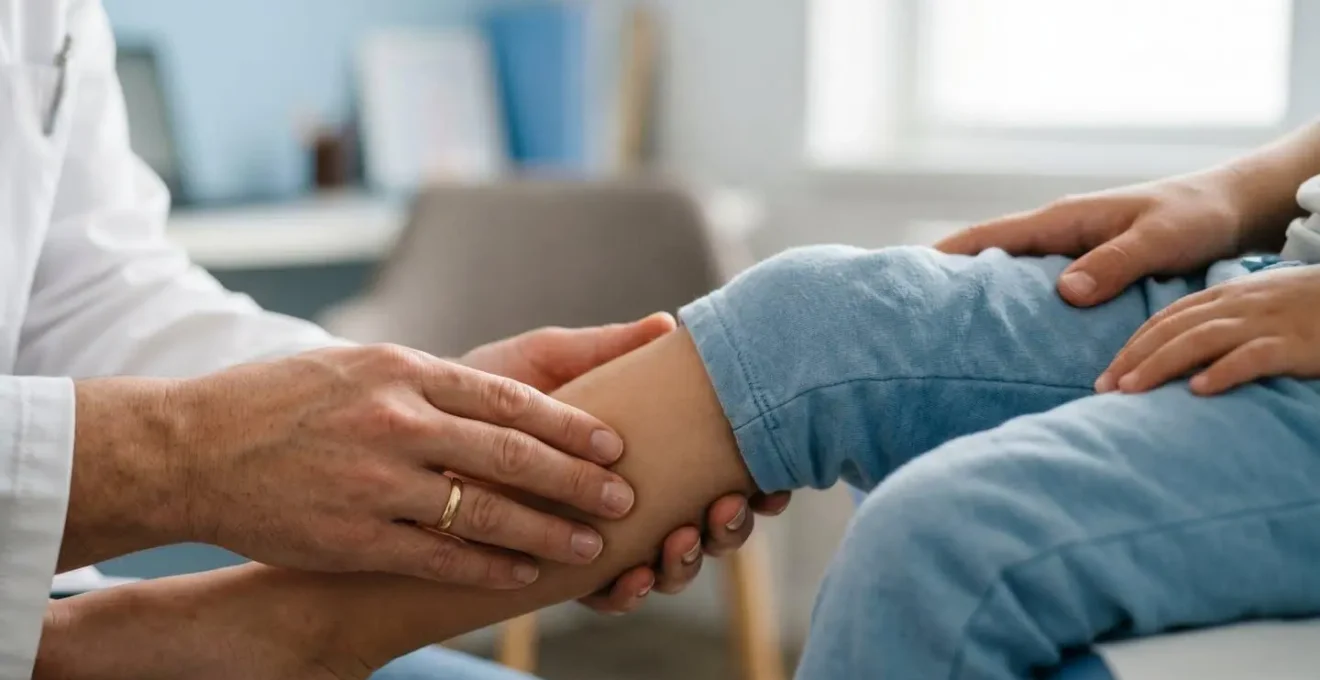
« It’s just growing pains. » This phrase is often used to reassure children (and parents) about mysterious leg aches that appear at night. And in many cases, it’s true. Growing pains are a benign, common part of childhood. However, as a rheumatologist, my role is to distinguish these from pathological pain—pain that signals an underlying medical issue. For a parent, knowing the key differences is crucial for peace of mind and for knowing when to seek a medical opinion.
The classic presentation of growing pains has a distinct pattern: the pain is almost always bilateral (in both legs), located in the muscles (typically thighs or calves) rather than the joints, occurs in the evening or wakes the child at night, and is completely gone by morning with no limping or stiffness. In contrast, pain that is unilateral (in one leg), located in a joint, persists into the daytime, or is accompanied by swelling, redness, limping, fever, or weight loss, warrants investigation. This is no longer characteristic of growing pains.
When these red flags are present, a blood test may be necessary. These tests help us look for markers of inflammation (ESR, CRP) that could indicate conditions like Juvenile Idiopathic Arthritis. We also routinely check Vitamin D levels, as severe deficiency can cause bone pain that mimics or exacerbates these symptoms. The goal of a consultation is to carefully differentiate between a normal physiological process and something that requires treatment.
Therefore, while it’s important not to medicalise every ache, it’s equally important not to dismiss persistent or atypical symptoms. Trust your parental instinct. If the pattern of pain doesn’t fit the classic description of growing pains or if it is impacting your child’s daily life, a conversation with your GP is the right next step to ensure nothing more significant is being missed.
What Does a Bone Age X-Ray Reveal About Your Child’s Remaining Growth?
For children whose growth is faster or slower than average, a paediatrician may recommend a « bone age » X-ray. This simple procedure, usually an X-ray of the left hand and wrist, is a tool we use to assess a child’s skeletal maturity. It works by comparing the appearance of the growth plates (epiphyses) in the child’s hand to a standardised atlas of images from children of various ages. The result gives us a « bone age » which can then be compared to the child’s actual chronological age.
A bone age X-ray can be very informative. If a child’s bone age is significantly advanced compared to their chronological age, it suggests they may finish growing earlier. Conversely, if the bone age is delayed, they likely have more time for growth ahead of them. This can be reassuring for a child who is short for their age, as it may indicate they are simply a « late bloomer. » We can also use bone age, in conjunction with parental heights, to provide a more refined prediction of a child’s final adult height.
However, it is absolutely critical for parents to understand the limitations of this test. A bone age is not a crystal ball. It is an estimate, a single data point in a complex biological process. As experts from leading UK orthopaedic centres emphasize, many factors contribute to a child’s final height.
A bone age reading is an estimate, not a destiny. Factors like nutrition, onset of puberty, and overall health can influence the final outcome.
– Royal National Orthopaedic Hospital, Vitamin D in Children – Clinical Guidance
Therefore, a bone age X-ray should be seen as a piece of a larger puzzle. It provides valuable insight into a child’s developmental timeline and can help guide decisions or reassure parents, but it does not seal a child’s fate. Good nutrition, adequate sleep, and overall health remain powerful influences on helping a child reach their full genetic growth potential, regardless of what a single X-ray might suggest.
Wild Swimming: Is It Safe for Kids and Where to Start?
The trend of wild or open-water swimming has gained popularity across the UK, and families are increasingly asking if it’s a safe and beneficial activity for children. From a bone health perspective, it brings us full circle to the central theme of this guide: Vitamin D and the UK climate. Wild swimming is, by its nature, an outdoor activity. It gets children out into the natural light, which is the primary driver of Vitamin D synthesis in the body. However, it’s crucial to have a realistic understanding of the sun’s role in our specific geography.
In the UK, the sun’s UVB rays are only strong enough for our skin to produce Vitamin D between late March and the end of September. Outside of these months, even on a bright, sunny winter day, the angle of the sun is too low for this process to occur. This is not a trivial detail; it is the entire basis for the UK’s supplementation guidelines. As official NHS guidance states, 80-90% of our Vitamin D is derived from sunlight, with only a small fraction coming from diet (e.g., oily fish, fortified cereals). This makes summer sun exposure vital, but it also makes winter supplementation non-negotiable.
So, is wild swimming a good way to top up Vitamin D? In the summer, absolutely. It combines sun exposure with physical activity. However, it cannot be relied upon during the autumn and winter months for Vitamin D synthesis. The primary benefit of winter swimming is more related to cardiovascular fitness, mental resilience, and connecting with nature. Safety is paramount: children should always be supervised, wear appropriate gear like a wetsuit to prevent hypothermia, and start with very short dips in well-known, safe locations. Organizations like the Outdoor Swimming Society provide excellent guidance for beginners. Wild swimming can be a fantastic family hobby, but it must be viewed as a complement to, not a replacement for, the essential winter Vitamin D supplement.
Key Takeaways
- Winter Vitamin D supplementation is non-negotiable for all UK children due to insufficient UVB radiation for skin synthesis from October to March.
- True bone health requires a dual approach: essential nutrients like Vitamin D and bioavailable calcium, combined with mechanical loading from high-impact exercise.
- Parents should learn to distinguish the signs of benign, physiological processes (like toddler bowing or growing pains) from pathological red flags that warrant a medical review.
Hating PE: Finding Active Hobbies for the ‘Unsporty’ Child
Finally, we address one of the most common challenges: the « unsporty » child. What happens when a child dislikes or actively avoids traditional Physical Education and team sports? How do we ensure they get the crucial mechanical loading needed for their bones? The key is to expand our definition of « sport » and find what genuinely motivates them. Activity doesn’t have to be competitive or structured in a traditional sense to be effective for bone building.
The goal is « stealth health »—finding activities that are so enjoyable the child doesn’t even realise they’re exercising. This means matching the activity to the child’s personality. Is your child a creator, an explorer, or a thinker? A child who loves building worlds in Minecraft might be drawn to the creative problem-solving of parkour or bouldering. A child who loves stories and puzzles might enjoy the adventurous quest of geocaching, which involves significant walking over varied terrain.
By shifting the focus from performance to play and from competition to personal expression, we can find a path to activity for almost any child. The aim is to provide opportunities for impact and weight-bearing movement in a context they find engaging. Here are some ideas, categorised by personality type, that are excellent for bone health:
- For the Creator: Dance, skateboarding, or parkour offer high-impact movements combined with creative expression and freedom.
- For the Explorer: Hiking on hills, bouldering, or martial arts provide weight-bearing challenges in an adventurous or structured skill-based context.
- For the Social Connector: Group dance classes, recreational trampolining clubs, or sports like badminton combine bone-building impact with social interaction.
- For the Thinker: Strategic sports like fencing involve complex footwork and impact, while activities like archery build upper body strength and focus.
By applying this framework of nutrition and mechanics, you can proactively build the foundation for your child’s lifelong skeletal health. It’s about providing the right building blocks and the right stimulus, enabling them to build the strongest skeleton possible, ready for a healthy and active adult life.
Frequently Asked Questions on Vitamin D Guidelines: Why Every Child in the UK Needs Supplements in Winter
What is the difference between growing pains and pathological leg pain?
Growing pains are bilateral (affecting both legs), occur in muscles rather than joints, typically happen at night, and resolve by morning. Pathological pain is often unilateral, persistent into the day, located in joints, and may be accompanied by swelling or warmth.
When should a blood test be ordered for leg pain in children?
A blood test should be considered when pain is persistent, unilateral, accompanied by systemic symptoms (fever, weight loss), causes limping, shows visible swelling or redness, or doesn’t resolve with rest. Tests check for inflammatory markers (ESR, CRP), vitamin D deficiency, and in rare cases, markers for juvenile idiopathic arthritis or other conditions.
What are the classic characteristics of growing pains?
Growing pains typically affect the thighs, calves, or behind the knees; occur in the late afternoon or evening; are bilateral and intermittent; cause no limping or interference with daily activities; and are not associated with swelling, redness, fever, or joint stiffness.