Contrary to popular belief, you can’t « boost » a child’s immune system with supplements; you must train it through strategic exposure and protect its core functions.
- Overusing antibiotics for minor infections can permanently damage the gut microbiome, the headquarters of immunity.
- Adequate sleep is non-negotiable, as even minor sleep loss can slash the effectiveness of immune memory, including vaccine responses.
Recommendation: Focus on foundational health—prioritising sleep, whole foods, and outdoor play—over expensive, unproven « immune-boosting » products.
As a parent, the seemingly endless cycle of coughs, colds, and fevers brought home from nursery can feel relentless. In a desperate bid to find a solution, many turn to the brightly coloured bottles lining pharmacy shelves, promising to « boost » their child’s immunity with elderberry syrup, vitamin C gummies, or various herbal concoctions. It’s an understandable impulse driven by a desire to protect our children and regain some semblance of a normal routine, free from sleepless nights and days off work.
The common advice often revolves around these quick fixes or hyper-vigilant hygiene. But as an immunologist, I can tell you that this approach is fundamentally flawed. It treats the immune system like a weak muscle that needs a temporary power-up, when in reality, it’s a highly intelligent and complex network that needs to be educated and trained. The constant battle against winter bugs isn’t a sign of failure; it’s a critical part of this immune education. However, our modern habits can inadvertently sabotage this process.
So, what if the key wasn’t adding more supplements, but rather removing the obstacles that weaken our children’s natural defences? What if true resilience isn’t found in a sterile environment, but in the dirt? This article will dismantle the most common myths surrounding childhood immunity. We will explore the scientific mechanisms that truly build a robust immune system, from the crucial role of the gut microbiome to the profound impact of sleep, and explain why a handful of real berries will always be superior to a processed supplement.
This guide will provide a clear, evidence-based roadmap for parents, moving beyond the myths to focus on what truly makes a difference in building lasting immune health for your child.
Contents: Boosting Your Child’s Immune System the Right Way
- Why Demanding Antibiotics for Ear Infections Weakens Long-Term Immunity?
- Dirt and Microbes: Why Playing in Mud Is Good for the Immune System?
- The 10-Hour Rule: How Sleep Deprivation Drops Immune Cell Production?
- Pets and Allergies: Does Owning a Dog Reduce the Risk of Asthma?
- Elderberry vs Real Berries: Why Supplements Can’t Replace Whole Foods?
- Why Is Gripe Water Still Recommended Despite Lack of Clinical Evidence?
- Spotting Sepsis: The Mottled Skin Sign You Should Never Ignore
- Chickenpox to Scarlet Fever: Managing Outbreaks in UK Primary Schools
Why Demanding Antibiotics for Ear Infections Weakens Long-Term Immunity?
When your child is screaming in pain from an ear infection at 3 a.m., demanding antibiotics can feel like the only rational response. However, this quick fix can come with a significant long-term cost to their immune development. The reason lies in the gut, which is not just for digestion. In fact, a staggering 70% of the immune system resides in the gut, functioning as its central headquarters. Antibiotics, particularly broad-spectrum types used for common infections, are a blunt instrument. They don’t just kill the bad bacteria causing the earache; they decimate the beneficial microbes that are essential for training immune cells.
This isn’t a temporary setback. A 2024 systematic review revealed that macrolide antibiotics, a common choice for pediatric infections, inflict a profound and lasting « systemic disruption. » The study found this disruption can persist for up to two years, with a depletion of crucial Bifidobacterium species by over 50% after a single 7-day course. This creates a vacuum that can be filled by potentially harmful bacteria and promotes antibiotic resistance. This early-life disruption of the microbiome isn’t a minor issue; it’s linked to significant future health problems.
Research from the Nature Communications team has shown a clear association between this early disruption and later health issues. As they state, this damage has real consequences.
Early-life antibiotic use is associated with increased risk for inflammatory bowel disease, overweight and asthma.
– Nature Communications Research Team, Intestinal microbiome is related to lifetime antibiotic use in Finnish pre-school children
Therefore, while antibiotics are life-saving for serious bacterial infections, their overuse for viral or mild, self-resolving bacterial infections (which many ear infections are) is a significant threat. It weakens the very foundation of the immune system—the microbiome headquarters—making a child potentially more susceptible to future illnesses. The short-term relief comes at the cost of long-term resilience.
Dirt and Microbes: Why Playing in Mud Is Good for the Immune System?
The modern parental instinct is often to reach for the hand sanitiser at the first sight of dirt. We’ve been conditioned to believe that a sterile environment is a safe environment. However, immunology tells us the exact opposite. A child’s immune system is born « naive »; it needs data to learn how to distinguish friend from foe. This process of immune training happens through controlled exposure to a vast diversity of microbes found in the natural world—especially soil.
When a child plays in the mud, they are not just getting dirty; they are receiving a critical data download for their immune system. The rich, complex ecosystem of bacteria, fungi, and other microorganisms in natural soil provides a safe and diverse training ground. Research has shown an immediate increase in skin microbial diversity after even short-term contact with soil. This exposure helps « calibrate » the immune response, teaching it to tolerate harmless environmental inputs and reducing the likelihood of it overreacting later in life, which is the basis of allergies and autoimmune conditions.
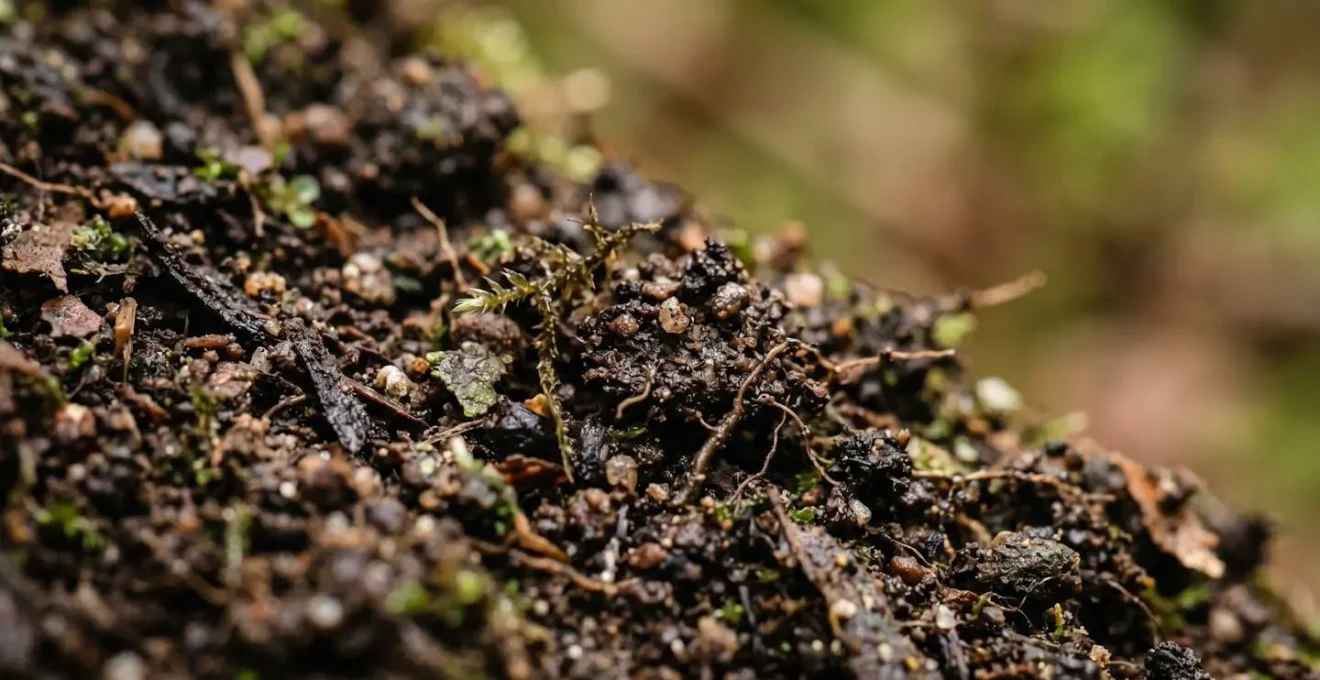
This concept, often called the « hygiene hypothesis, » is supported by robust research. A landmark study on germ-free mice demonstrated that there is a critical window in early life for this microbial education. Exposing the mice to normal microbes during their first weeks of life resulted in a fully functional, healthy immune system. When the same exposure occurred in adulthood, it had little to no effect. This highlights that avoiding dirt in early childhood is a missed opportunity for essential immune system calibration.
Of course, this doesn’t mean forgoing basic hygiene like handwashing before meals. It’s about finding a balance—embracing the mess of outdoor play as a vital part of health, not a threat to it. Letting your child make mud pies is one of the most effective, science-backed ways to support their long-term immune development.
The 10-Hour Rule: How Sleep Deprivation Drops Immune Cell Production?
For young children, especially those in nursery or school, sleep is not a luxury; it is a non-negotiable biological necessity for a functioning immune system. While parents often focus on diet and hygiene, they can overlook the profound impact of sleep. The common belief that a child can « catch up » on sleep over the weekend is a dangerous myth. The immune system performs critical maintenance and production tasks during deep sleep, and missing this window has immediate and severe consequences.
During sleep, the body ramps up the production of key immune warriors like cytokines and T-cells. It’s also when immune memory is consolidated. When a child is exposed to a new virus, their immune system learns to recognise it. That memory is locked in during sleep, allowing for a faster, more effective response next time. Sleep deprivation short-circuits this entire process. In fact, research shows that even one night of significant sleep loss can push immune cells into a state resembling the chronic inflammation seen in obesity.
The most striking evidence of sleep’s power comes from vaccination studies. A vaccine works by introducing a piece of a pathogen to train the immune system to create antibodies. This memory formation is heavily sleep-dependent. Research from Yale Medicine delivered a shocking finding: participants who were sleep-deprived in the days surrounding a vaccination produced significantly lower antibody titers—in some cases, less than 50% of the response seen in the well-rested group. This means that a lack of sleep can literally cut the effectiveness of a vaccine in half.
For a young child, whose immune system is constantly learning and responding to new challenges, consistently getting 10 or more hours of quality sleep is paramount. It’s during these hours that their body builds its army, sharpens its weapons, and catalogues its enemies. Sacrificing sleep for any reason is akin to sending a soldier into battle without armour or training.
Pets and Allergies: Does Owning a Dog Reduce the Risk of Asthma?
The decision to get a family pet often comes with a nagging worry for parents: will it trigger allergies or asthma in my child? For decades, the conventional wisdom suggested that avoiding furry pets was the safest bet for preventing allergic diseases. However, a growing body of scientific evidence is turning this advice on its head, suggesting that not only are pets not the enemy, but they may be powerful allies in immune training.
This ties back to the principle of « controlled exposure. » A dog or a cat brings a host of new, non-harmful microbes into the home environment. This exposure, particularly during infancy and early childhood, acts as another form of education for the developing immune system. It enriches the diversity of the child’s own microbiome and teaches their immune cells to remain calm in the face of harmless allergens like dander and fur. This early tolerance-building is crucial for preventing the hypersensitive reactions that characterise allergies.
The data supporting this is compelling. A large-scale study from Japan’s National Institute for Environmental Studies tracked thousands of children and found a dramatic protective effect. According to their research, the risk of a child developing asthma was cut in half if they grew up living with a cat or dog during infancy. Similar findings have been replicated in other studies, which also show a reduced risk of eczema and other allergic conditions. The effect seems to be most pronounced when the exposure occurs within the first year of life, again highlighting that « critical window » for immune education.
This does not mean that a dog is a guaranteed cure for asthma or that children who are already severely allergic should be exposed without medical guidance. However, for most families, the evidence strongly suggests that the fear of a pet causing allergies is largely unfounded. In fact, by enriching the microbial environment of the home, a furry family member may be one of the best tools for building a more balanced and resilient immune system in the long run.
Elderberry vs Real Berries: Why Supplements Can’t Replace Whole Foods?
The supplement aisle presents a tempting array of « natural » immune boosters, with elderberry syrup being a perennial favourite. The marketing is brilliant: it takes a food known to be healthy and concentrates it into an easy-to-administer, sweet-tasting liquid. The problem is that this reductionist approach ignores the most fundamental principle of nutrition: food matrix synergy. An elderberry is not just one active ingredient; it’s a complex package of vitamins, minerals, fibre, antioxidants, and thousands of other phytonutrients that work together in ways science is only beginning to understand.
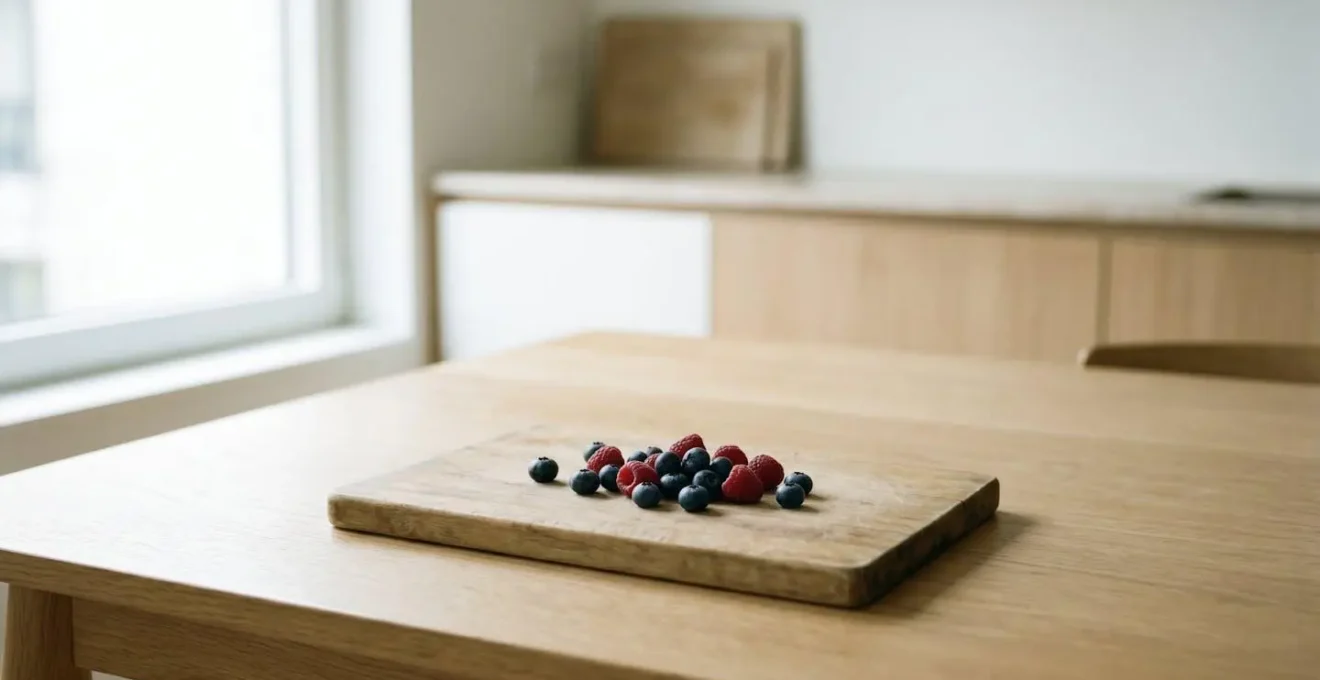
When you isolate one « active » compound and put it in a syrup, you lose that synergy. Furthermore, you often introduce things that are not beneficial, like high amounts of sugar or alcohol, which are used as preservatives. A handful of fresh or frozen blueberries, raspberries, and strawberries provides a broad spectrum of these synergistic compounds, along with fibre that feeds the beneficial bacteria in the gut—the microbiome headquarters. A spoonful of sugary syrup does not.
Beyond the nutritional inferiority, there’s a serious safety and regulation issue. Parents often assume that because a product is marketed for children and sold in a pharmacy, it’s been rigorously tested and approved. This is a dangerous misconception. The American Academy of Pediatrics provides a stark warning about this unregulated market.
Supplements are not regulated by the U.S. Food and Drug Administration, meaning there aren’t any official guidelines on how much to take or for how long.
– American Academy of Pediatrics, HealthyChildren.org guidance on probiotics and supplements for children
This lack of oversight means that the dosage, purity, and even the identity of the ingredients in a bottle can be questionable. You are placing your trust in the manufacturer, not in a scientific or regulatory body. Instead of spending money on unproven, unregulated syrups, a far more effective strategy is to simply incorporate a variety of colourful fruits and vegetables into your child’s daily diet. This approach is safer, cheaper, and provides the full, synergistic benefits that nature intended.
Why Is Gripe Water Still Recommended Despite Lack of Clinical Evidence?
Gripe water is a classic example of a remedy passed down through generations, a staple of the newborn survival kit. Parents, desperate to soothe a colicky, inconsolable baby, will try anything, and gripe water is often recommended by well-meaning friends, family, and even some healthcare professionals. It persists not because of robust scientific proof, but because of a powerful combination of tradition, placebo effect, and the sheer desperation of parents. Most formulations contain a mix of herbs like dill and fennel, but historically, many contained a key ingredient: alcohol, which undoubtedly had a sedating effect.
Today’s alcohol-free versions have never been conclusively proven to be more effective than a placebo in high-quality clinical trials. The act of giving the sweet liquid, holding the baby upright, and paying close attention is often what provides the comfort. Yet, parents are often searching for a proactive solution, especially when their child enters a group care setting. The data on this is clear: according to the International Scientific Association for Probiotics and Prebiotics (ISAPP), children attending daycare experience up to four times more respiratory tract infections compared to those cared for at home, highlighting the intense microbial pressure they are under.
This is where the conversation should shift from folklore remedies to evidence-based interventions. While gripe water lacks evidence, a growing body of research points towards a more promising tool: probiotics. Unlike gripe water, specific probiotic strains have been studied for their ability to support the immune system. The ISAPP’s analysis of 10 clinical trials concluded that probiotics were significantly more effective than placebo in reducing the incidence and duration of acute upper respiratory tract infections in children. This suggests that modulating the gut « microbiome headquarters » with beneficial bacteria is a far more scientifically sound strategy than relying on an herbal tonic.
The continued recommendation of gripe water serves as a crucial lesson in medical consumerism: just because something is popular, traditional, or marketed as « natural » does not mean it is effective. Parents’ energy and resources are better spent on strategies with emerging scientific backing, like targeted probiotics, that directly support the core of their child’s immune function.
Key takeaways
- True immunity is built by training the immune system with diverse microbial exposure, not by creating a sterile environment.
- The gut is the immune system’s headquarters; overusing antibiotics causes long-term damage to this crucial hub.
- Sleep is a non-negotiable immune function. Consistent, adequate sleep is more protective than any supplement.
Spotting Sepsis: The Mottled Skin Sign You Should Never Ignore
While most childhood illnesses are minor and self-resolving, every parent’s deepest fear is missing the signs of something truly life-threatening. Sepsis is one such condition. It is not a specific disease but a catastrophic overreaction of the body’s own immune system to an infection. It can progress with terrifying speed and is a medical emergency. While it’s rare, knowing the key warning signs is not about inducing panic; it’s about empowerment. One of the most specific and concerning signs that parents should never, ever ignore is mottled skin.
Mottled skin (also known as *cutis marmorata*) in the context of a sick child looks like a lacy, purple, or blotchy pattern on the skin. It’s caused by impaired blood circulation as the body’s cardiovascular system begins to fail. It is different from the flushing of a high fever or the distinct spots of a typical viral rash. When you see this pattern on the torso, arms or legs of a child who also has a fever and is unusually lethargic or difficult to wake, you must treat it as a potential sepsis emergency until proven otherwise.
Parental instinct is a powerful diagnostic tool. You know your child best. If they seem « sicker than ever before, » even if you can’t put your finger on why, trust that feeling. In a potential sepsis situation, time is absolutely critical. Do not « wait and see. » Go to the nearest Accident & Emergency department immediately. When you get there, it’s vital to communicate your concerns clearly and specifically to the medical team.
Your action plan: Recognising potential sepsis
- Observe for mottled skin: Look for a lacy, purplish, net-like pattern on the skin, especially on the torso and limbs, which is distinct from a normal rash.
- Check for other key signs: Is the mottled skin accompanied by a high fever, unusual sleepiness, confusion, or difficulty waking the child?
- Use specific language: When seeking emergency care, state clearly, « I am concerned this is sepsis because my child has a fever, is very lethargic, and I am seeing mottled skin. »
- Do not wait: Sepsis is a time-critical medical emergency. Do not attempt home treatment or wait for a doctor’s appointment. Go to the hospital immediately.
- Trust your gut: If your parental instinct is screaming that something is gravely wrong, even without all the classic signs, you must act on it and seek emergency care.
Recognising these signs doesn’t make you an alarmist; it makes you a prepared and vigilant parent. Understanding the difference between a common illness and a true emergency is one of the most important skills in navigating childhood health.
Chickenpox to Scarlet Fever: Managing Outbreaks in UK Primary Schools
Once a child enters primary school in the UK, they are exposed to a whole new world of social interaction—and a corresponding world of infectious diseases. Navigating the inevitable outbreaks of illnesses like chickenpox, scarlet fever, and hand, foot, and mouth disease is a rite of passage for parents. Understanding the key differences between these common infections, their transmission methods, and the official school exclusion guidance is essential for managing the situation effectively and protecting the wider school community.
Each illness presents with a unique constellation of symptoms and requires a different management strategy. Chickenpox is viral, characterised by an itchy, blister-like rash. Scarlet fever, however, is bacterial (caused by Group A Streptococcus) and presents with a distinctive « sandpaper » rash and sore throat, requiring antibiotics. It is crucial to follow NHS and Public Health England guidance on exclusion periods to prevent further spread. For example, a child with scarlet fever can return to school 24 hours after starting antibiotics, whereas a child with chickenpox must wait until all their spots have crusted over.
The following table provides a practical overview for parents to quickly differentiate between these common school-age illnesses and understand the appropriate immune support and public health measures.
| Disease | Primary Symptoms | Transmission Mode | School Exclusion Period | Immune Support Strategy |
|---|---|---|---|---|
| Chickenpox | Itchy rash with fluid-filled blisters, fever | Airborne aerosols, direct contact | Until all blisters have crusted over | Maintain gut health, adequate sleep |
| Scarlet Fever | Sandpaper-like rash, sore throat, fever | Respiratory droplets | 24 hours after antibiotics started | Probiotic support during antibiotic use |
| Hand, Foot & Mouth Disease | Sores in mouth, rash on hands/feet | Direct contact, respiratory droplets | Until fever-free and feeling well | Hydration, nutritious whole foods |
| Common Cold/Flu | Runny nose, cough, fever | Respiratory droplets, surface contamination | Until fever-free for 24 hours | 10+ hours sleep, outdoor exposure |
While these illnesses can be disruptive, they are also a fundamental part of building a robust, mature immune system. Each infection provides a new set of data, leading to the creation of memory T-cells and B-cells that will provide long-lasting, often lifelong, immunity to that specific pathogen. Supporting your child through these illnesses with proper rest, hydration, and nutrition is the best way to facilitate this natural process of building a resilient immune system.
By moving past the myths and focusing on the core, evidence-based pillars of immune health—a protected gut, adequate sleep, a whole-foods diet, and strategic microbial exposure—you can empower your child’s body to build the resilient, well-trained defence system it needs to thrive.