
The fierce debate between baby-led weaning and purees misses the most critical factor in preventing choking.
- True safety comes from understanding food mechanics and your baby’s developmental readiness, principles that apply to any feeding method.
- Empowering parents with knowledge of nutrient timing, safe food preparation, and responsive feeding transforms fear into confidence at the dinner table.
Recommendation: Focus on mastering the principles of preparing food safely and trusting your baby’s innate cues, creating positive mealtimes regardless of the texture you choose to offer.
The moment your six-month-old is ready for solid foods is a huge milestone, but for many UK parents, it’s overshadowed by a single, pervasive fear: choking. You’ve likely heard the passionate arguments from both sides. One camp advocates for baby-led weaning (BLW), promoting independence with finger foods. The other stands by traditional purees, seen as the safer, more controlled option. This debate often forces parents into a rigid choice, amplifying anxiety rather than alleviating it. You’re told that gagging is a normal, protective reflex, while choking is a silent, life-threatening emergency, but the line between them can feel terrifyingly thin when it’s your child at the highchair.
The common advice— »always supervise your baby, » « cut food into sticks »—is essential, but it only scratches the surface. It doesn’t explain the underlying principles of why certain foods are safer than others or how your baby’s own development plays a crucial role in their ability to eat safely. This lack of deeper understanding can leave you feeling powerless, constantly second-guessing every meal.
But what if the key to safe weaning wasn’t about choosing a single method, but about mastering a set of universal safety principles? This guide moves beyond the BLW vs. puree binary. We will explore a method-agnostic approach to safety. The focus is on empowering you, the parent, with the knowledge of food mechanics, developmental readiness, and crucial nutritional foundations. By understanding the ‘why’ behind the rules, you can confidently prepare any food, whether it’s a soft-cooked floret of broccoli or a spoonful of mashed sweet potato, and create a positive, fearless feeding environment for your family.
This article provides a methodical framework to build your confidence. We will cover critical nutrient needs that support safe eating, demystify allergen introduction, and provide practical, evidence-based strategies to manage mealtimes calmly and effectively, all tailored to UK guidelines.
Summary: A UK Parent’s Methodical Guide to Reducing Choking Risks
- Why Weetabix Isn’t Enough: Best Iron Sources for Breastfed Babies at 6 Months
- Peanut Butter at 6 Months: How to Safely Introduce Allergens at Home?
- Toddler Portion Distortion: How Much Food Does a 1-Year-Old Actually Need?
- Vitamin D Drops: Why the Department of Health Recommends Them for All Under-5s?
- The ‘Division of Responsibility’: How to Stop Mealtime Battles Before They Start?
- Which 3 Micronutrients Are Most Critical for Preventing Stunting in Toddlers?
- Why Is Gripe Water Still Recommended Despite Lack of Clinical Evidence?
- Preventing Iron Deficiency Anaemia in Toddlers Who Drink Too Much Cow’s Milk
Why Weetabix Isn’t Enough: Best Iron Sources for Breastfed Babies at 6 Months
One of the most overlooked aspects of weaning safety is nutrition, specifically iron. Babies are born with a store of iron that begins to deplete around six months of age, precisely when they start solids. Breast milk contains very little iron, so it must come from their diet. Why does this matter for choking risk? Iron is essential for cognitive and physical development, including the fine motor skills and muscle coordination required to chew, move food around the mouth, and swallow effectively. An iron-deficient baby may have lower energy and less developed motor control, making mealtimes more challenging.
While iron-fortified cereals like Weetabix or Ready Brek are a good start, they shouldn’t be the only source. The UK diet survey data is concerning; research has shown that almost one third of UK babies aged 4-18 months don’t meet the recommended iron intake. To truly support your baby’s development, it’s vital to offer a variety of iron-rich foods. The most easily absorbed form of iron, known as haem iron, is found in animal products.
Think beyond cereal. Well-cooked, soft-minced beef, lamb, and dark chicken meat are excellent choices. For a baby-led approach, you can shape mince into small, graspable patties or offer a lamb cutlet where the bone acts as a natural handle for gnawing. For plant-based iron (non-haem iron), lentils, beans, and dark green vegetables like spinach and kale are great. A crucial tip is to always pair these foods with a source of vitamin C (like strawberries, kiwi, peppers, or broccoli), as it dramatically increases non-haem iron absorption.
Peanut Butter at 6 Months: How to Safely Introduce Allergens at Home?
Alongside choking, food allergies are a major source of parental anxiety. For years, UK guidance suggested delaying the introduction of common allergens like peanuts. However, extensive research has completely reversed this advice. The new, evidence-based approach is that early and regular introduction is the best way to prevent an allergy from developing. The fear of causing a reaction has been replaced by the understanding that avoidance may actually increase the risk.
This monumental shift in thinking was largely driven by a single, powerful piece of research. It’s a fantastic example of how observation can lead to life-changing medical advice.
Case Study: The Israeli vs. UK Paradox
The landmark LEAP study was inspired by a simple observation: peanut allergy was ten times more common among children of Jewish heritage in the UK compared to those in Israel. Researchers investigating this disparity, as detailed by food allergy organisations, found a key cultural difference. In Israel, peanut-based puffs are a common infant snack from around 7 months. In the UK, peanuts were avoided. This led to the hypothesis that early introduction might be protective, a theory proven correct by the study’s findings.
The results of the LEAP (Learning Early About Peanut Allergy) study were staggering, demonstrating that sustained peanut consumption from infancy reduced peanut allergy development by 81% in high-risk infants. This is why UK NHS guidance now recommends introducing well-cooked egg and smooth peanut butter from around 6 months. It’s crucial to never give whole nuts due to the choking hazard. Instead, offer a thin layer of smooth peanut butter on a finger of toast or stir it into porridge. Introduce one allergen at a time, in small amounts, on a day when your baby is well, so you can monitor for any reaction.
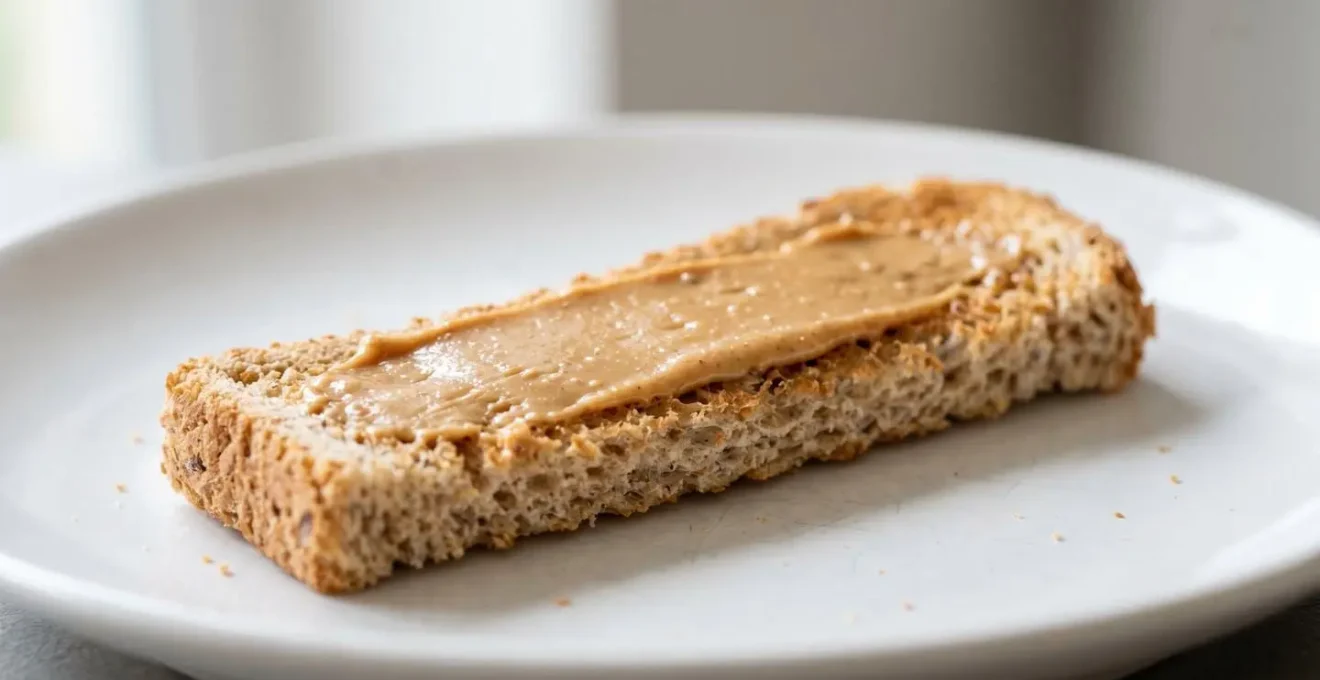
This image perfectly illustrates the safe method. The key is a thin smear of smooth butter on a soft, appropriate finger food. This approach combines the principle of early allergen introduction with method-agnostic food safety.
Toddler Portion Distortion: How Much Food Does a 1-Year-Old Actually Need?
As your baby transitions into toddlerhood, a new mealtime worry often emerges: are they eating enough? It’s easy to fall into the trap of « portion distortion, » comparing your toddler’s intake to your own and fretting over every refused spoonful of vegetables. This is where moving from a mindset of fear to one of trust becomes paramount. A one-year-old’s stomach is roughly the size of their clenched fist. Their nutritional needs are significant for their size, but their capacity is small.
One of the biggest mistakes parents make is over-piling the plate, which can be overwhelming for a small child and set the stage for mealtime battles. A good rule of thumb is to start with tablespoon-sized portions for each food group. For example, one tablespoon of minced meat, one of mashed potato, and one of peas. This might look tiny to you, but it’s an appropriate starting point for them. They can, and should, always be offered more if they finish and still seem hungry.
More important than the exact quantity is variety over the course of a week and trusting your child’s innate ability to self-regulate. Some days they may eat voraciously, particularly during a growth spurt. On other days, they might seem to survive on air. This is normal. A toddler’s appetite fluctuates wildly. Forcing them to « clear their plate » or « have one more bite » can override their natural hunger and fullness cues, potentially leading to unhealthy eating habits later in life. The goal is to provide regular, nutritious meal and snack opportunities, and then trust your child to decide how much they need to eat at that moment.
Vitamin D Drops: Why the Department of Health Recommends Them for All Under-5s?
Alongside the food you put on the plate, certain supplements are a non-negotiable part of child health in the UK. The most important of these is vitamin D. Known as the « sunshine vitamin, » it’s primarily produced by our bodies when skin is exposed to sunlight. It plays a critical role in absorbing calcium and phosphate from our diet, which are essential for building strong bones, teeth, and muscles. A deficiency can lead to bone deformities such as rickets, a condition that is sadly on the rise.
Due to the UK’s northern latitude and frequent cloud cover, there simply isn’t enough strong sunlight for most of the year to produce adequate vitamin D. As the Royal National Orthopaedic Hospital NHS Trust clearly states, « In most of the UK from November to March… Vitamin D cannot be made from sunshine. » This, combined with lifestyle factors, means that diet and supplementation are the only reliable sources. While it’s found in some foods like oily fish and fortified cereals, it’s very difficult to get enough from diet alone.

This is why the UK Department of Health and Social Care has such a clear and firm recommendation: all babies from birth to 1 year should have a daily supplement of 8.5 to 10 micrograms of vitamin D (unless they are having more than 500ml of formula a day, as formula is already fortified). This recommendation continues for all children aged 1 to 4 years, who should take a daily supplement containing 10 micrograms of vitamin D. Given that it is estimated that 16% of UK children are deficient in vitamin D, this simple daily drop is a crucial safety net for their long-term health.
The ‘Division of Responsibility’: How to Stop Mealtime Battles Before They Start?
The concept of trusting your toddler’s appetite, introduced when discussing portion sizes, is part of a wider, highly effective feeding philosophy known as the sDOR (Satter Division of Responsibility in Feeding). Developed by dietitian and therapist Ellyn Satter, this framework is endorsed by paediatric experts worldwide and is a powerful tool for preventing the mealtime stress that so many families experience. It’s a simple, methodical approach that removes the pressure from both parent and child.
The principle is straightforward: the roles of the parent and child at mealtimes are separate.
- The parent’s responsibility is to decide the what, when, and where of feeding. (e.g., « We are having chicken, broccoli and rice for dinner at 5:30 pm at the kitchen table. »)
- The child’s responsibility is to decide whether to eat what is offered, and if so, how much.
This model is built on a foundation of trust. You trust your child to listen to their own body. As child psychologist Gill Harris notes, this is a skill they are born with.
Most toddlers are naturally better than older children and adults at regulating their food intake.
– Gill Harris, Child and Clinical Psychologist, Infant & Toddler Forum
Adopting this approach means no more coaxing, bribing, or forcing. You provide a balanced meal at a reliable time, and then you let go. If they eat only the rice, that’s okay. If they eat nothing, that’s also okay (the meal is simply over, and the next planned snack or meal is a few hours away). This consistency teaches them that mealtimes are a reliable opportunity to eat, but the choice is theirs. It fosters a healthy relationship with food and removes the parent from the role of « food police, » transforming mealtimes from a battleground into a time for connection.
Your Action Plan: Implementing the Division of Responsibility
- The ‘One Meal’ Rule: Prepare one meal for the whole family. Always include at least one food you know your child usually accepts (a ‘safe food’ like bread or plain pasta), but do not become a short-order cook.
- Structure Your Day: Offer 3 meals and 2 planned snacks at consistent times. A toddler who knows a snack is coming in two hours is less likely to panic if they don’t feel like eating their lunch right now.
- Stay Neutral: Serve the food without comment or pressure. Don’t praise them for eating their broccoli or show disappointment if they don’t. Your job is to provide, their job is to decide.
- Handle Refusals Calmly: If your child refuses to eat, simply accept their decision and remind them when the next meal or snack will be. « Okay, you don’t have to eat. The kitchen is closed now until snack time at 3 pm. »
- Manage External Pressure: Politely explain your approach to well-meaning relatives. A simple, « We’re letting him listen to his tummy, it’s the advice from the health visitor » is usually enough.
Which 3 Micronutrients Are Most Critical for Preventing Stunting in Toddlers?
While a varied diet is the ultimate goal, focusing on a few key micronutrients is a pragmatic approach to ensuring your toddler has the essential building blocks for healthy growth. Preventing stunting and promoting optimal development isn’t just about calories; it’s about nutrient density. In the UK context, three micronutrients stand out as particularly critical during the toddler years: iron, vitamin D, and iodine.
We’ve already established the vital role of iron. As health authorities like the CDC confirm, breastfed infants require an external source from six months, and this need continues throughout toddlerhood. Iron is crucial for brain development and carrying oxygen in the blood. Lean red meat, fortified cereals, and lentils remain top sources. Remember to pair plant-based iron with vitamin C to maximize absorption.
Vitamin D is our second pillar, essential for bone health. As discussed, supplementation is the only reliable way to meet the UK Department of Health’s recommendation of 10 micrograms per day for all under-fives. Ensuring this happens daily is a simple but profoundly important habit for preventing rickets and supporting a healthy immune system.
The third critical micronutrient is iodine. Iodine is vital for the production of thyroid hormones, which regulate metabolism and are essential for brain and neurological development. A deficiency can have a significant impact on cognitive function. In the UK, the most reliable sources of iodine are dairy products (milk, yogurt) and fish (especially white fish like cod and haddock). Including full-fat cow’s milk (from 12 months) and offering fish twice a week are effective strategies to ensure adequate intake.
Why Is Gripe Water Still Recommended Despite Lack of Clinical Evidence?
In the early weeks of parenting, the near-constant crying of a colicky baby can push any parent to their limit. It’s in these desperate moments that you’re likely to hear a well-meaning relative say, « Have you tried gripe water? It worked wonders for you. » Gripe water holds a powerful place in UK culture, passed down through generations as a go-to remedy. It persists not because of scientific proof, but because of its historical significance and the powerful placebo effect it can have on anxious parents.
From a clinical perspective, there is no good evidence that gripe water is effective at treating colic or wind. Most formulations contain a mixture of herbs like dill and fennel, with some containing sodium bicarbonate. The NHS does not recommend it, as its ingredients are not proven to work and, in rare cases, the alkaline nature of sodium bicarbonate can interfere with the natural acidity of a baby’s stomach. The « magic » of gripe water often lies in the act of doing *something*. The process of measuring the dose, giving it to the baby, and the sweet taste can provide a momentary distraction and a sense of control for a parent who feels helpless.
Instead of relying on a remedy with no clinical backing, the NHS recommends a series of practical, evidence-based techniques that are far more likely to help soothe a baby struggling with wind or colic-like symptoms. These methods focus on the physical causes of discomfort and are completely safe.
Your Action Plan for Soothing a Gassy Baby (NHS-Approved)
- Master Winding Techniques: Don’t just pat your baby’s back after a feed. Hold them upright against your shoulder, ensuring their tummy is gently pressed against you, and rub their back in firm, upward circles. Try winding them mid-feed as well.
- Practice Infant Massage: When the baby is calm, lay them down and use gentle but firm clockwise circular motions on their tummy. This follows the natural direction of the digestive system and can help move trapped wind along.
- Check Your Feeding Position: Whether breast or bottle-feeding, ensure the baby is in a semi-upright position, not lying flat. For bottle-fed babies, tilt the bottle so the teat is always full of milk, not air.
- Use ‘Bicycle Legs’: Gently hold your baby’s ankles and move their legs in a slow, circular cycling motion. This can help to physically move gas through the intestines.
- Consult a Professional: Your Health Visitor is a free, expert resource. They can observe a feed and offer personalised advice. Don’t hesitate to contact them via your local GP surgery or Children’s Centre.
Key Takeaways
- Iron is non-negotiable from 6 months for breastfed babies; fortified cereals and well-cooked meat are essential for the motor skills needed for safe eating.
- Early and regular allergen introduction (around 6 months), as per UK guidelines, is a proven strategy to significantly reduce allergy risk.
- The ‘Division of Responsibility’ is the key to ending mealtime battles: you provide the ‘what, when,where’; your toddler decides ‘if’ and ‘how much’.
Preventing Iron Deficiency Anaemia in Toddlers Who Drink Too Much Cow’s Milk
As we bring our focus full circle, we return to the critical importance of iron, this time in the context of a common toddler issue: excessive milk consumption. Many parents are relieved when their toddler happily drinks milk, seeing it as a sign of good nutrition. While whole cow’s milk (from 12 months) is an important source of calories, fat, and calcium, too much of a good thing can lead to a serious problem: iron deficiency anaemia.
This happens for two main reasons. First, cow’s milk is very low in iron. A toddler who fills up on milk will have little appetite left for iron-rich foods like meat, lentils, and fortified cereals. Second, the high levels of calcium in milk can actually inhibit the body’s ability to absorb iron from other foods eaten at the same meal. It’s a double-edged sword that can quickly lead to depleted iron stores, resulting in lethargy, pale skin, and impaired cognitive development.
So, how much is too much? While individual needs vary, the guidance is clear. According to the UK Department of Health, the recommended amount for toddlers is approximately 350ml (about 12oz) of whole cow’s milk per day. If your toddler is drinking significantly more than this, it’s time to take gentle but firm action. The solution is not to eliminate milk, but to re-position it as a drink, not a meal. Offer milk in a cup with meals or as part of a scheduled snack, but not as a free-for-all drink throughout the day. Water should be the main drink offered between meals to quench thirst.
By understanding these methodical, evidence-based principles, you can move past the anxiety of weaning and embrace it as a confident, knowledgeable parent. The next step is to start applying this framework to your own family’s mealtimes, one small, safe, and positive step at a time.