
Receiving the National Child Measurement Programme letter can be a source of significant anxiety for parents. This guide reframes the BMI result not as a final verdict on your child’s health, but as a single, often misleading, data point. We’ll provide the tools to look beyond the numbers, focusing on a holistic view of well-being—from energy levels to mental health—and empower you to make an informed decision about participation while protecting your child’s self-esteem.
That official-looking envelope from your child’s primary school has landed on the doormat. Inside, a letter about the National Child Measurement Programme (NCMP) explains that your child will be weighed and measured. For many parents, this moment triggers a wave of anxiety. You might worry about the impact on your child’s body image, the potential for playground teasing, or the coldness of a single number being used to define their health. The common advice is to either dismiss the programme entirely or to start a generic « healthy eating » conversation that can feel forced and uncomfortable.
You have the right to withdraw your child from the programme—it is not compulsory. The letter you received should explain how to do this. But before you decide, it’s important to understand the bigger picture. What if the real key isn’t just to accept or reject this measurement, but to use this moment as a catalyst to build a more resilient and holistic understanding of your child’s well-being? This isn’t about the number on the scale; it’s about shifting your focus from a single, flawed data point to the rich, dynamic story of their overall health.
This guide, written from the perspective of a school nurse, will walk you through this process. We will deconstruct the common school health screenings to show they are merely snapshots. We will then equip you with tools to have constructive conversations with both healthcare professionals and, most importantly, your child. Finally, we’ll address the modern pressures of the digital world that can be amplified by these very measurements, giving you strategies to protect their self-esteem.
This article provides a comprehensive overview of the different facets of your child’s health that go far beyond a single measurement. The following sections will guide you through understanding the tools used, the support available, and the strategies you can implement at home.
Summary: The National Child Measurement Programme: A Parent’s Guide to Opting Out or In
- Why Is BMI Used for Children Even Though It Ignores Muscle Mass?
- Why Relying on School Screenings Can Miss Subtle Vision Problems?
- NHS Dental Crisis: How to Find a Dentist Taking Child Patients Today?
- Checking for Spine Curvature: The Simple Home Test Every Parent Should Know
- Does Your School Have a Mental Health Lead and How to Contact Them?
- Why Do Health Visitors Focus on the Curve Shape Rather Than the Centile?
- The Algorithm Trap: Why Your Child’s Feed Is Flooded with Diet Content?
- Instagram vs Reality: Protecting Your Daughter’s Self-Esteem from Filters
Why Is BMI Used for Children Even Though It Ignores Muscle Mass?
The first and most significant source of worry for parents is often the Body Mass Index (BMI) itself. You might rightly point out that your child is active, muscular, or has a different body frame. How can a simple height-to-weight ratio possibly capture their health? The truth is, it can’t. As a school nurse, I am the first to acknowledge that BMI is a blunt instrument. Its primary function is for population-level surveillance—to spot broad trends across thousands of children, not to deliver a definitive diagnosis for an individual. In fact, research highlights that BMI has limitations in differentiating body fat from lean mass in children.
So, why is it still used? The main reasons are that it is non-invasive, inexpensive, and easy to perform on a large scale. However, it should only ever be considered a single data point, not a verdict. The most constructive response to a BMI result is not to panic, but to place it in the context of your child’s « holistic health dashboard »—a collection of far more meaningful indicators that you, as a parent, are uniquely positioned to observe.
This dashboard includes their energy levels during play, the quality of their sleep, their enthusiasm for activities, their emotional resilience, and the variety in their diet. Does your child have the stamina for a game of tag? Do they wake up rested? Are they engaging with friends? These are the real-time, vibrant signs of a thriving child. The BMI number is a static, black-and-white photo, whereas your daily observations create a full-colour, moving picture of their well-being.
Why Relying on School Screenings Can Miss Subtle Vision Problems?
The NCMP is just one of several health checks conducted in schools. Another common one is the vision screening, typically done in Reception class. Just like the BMI measurement, this screening is a useful but limited tool. It is designed to catch obvious problems, like a significant difference between the eyes or difficulty seeing a chart from a distance. However, it is not a comprehensive eye examination and can easily miss more subtle but equally important issues that can affect learning and concentration.
Problems such as eye strain, difficulties with focus, or issues with eye tracking are often not detected by a basic screening. A child might pass the school test but still suffer from frequent headaches after reading, rub their eyes constantly, or avoid close-up tasks. These are vital health clues that a quick, standardised test will overlook. This parallel is important: just as we look beyond BMI, we must look beyond a passed vision test to see the whole-child view.
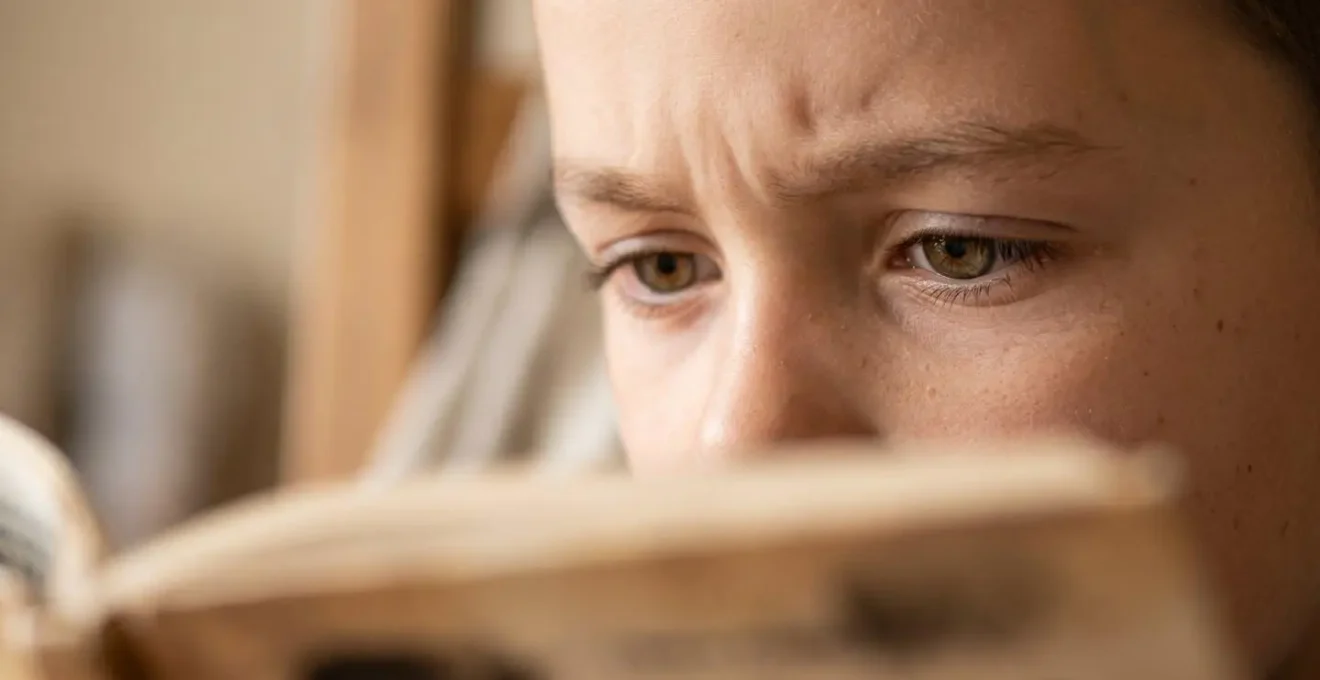
Your role as a parent-observer is critical here. You are the one who notices if your child squints at the tablet, holds a book unusually close, or seems to lose their place while reading. These observations are far more valuable than a simple pass/fail result from a school screening. If you notice any of these signs, it’s an indicator to seek a full examination with an optometrist, regardless of the screening outcome. This reinforces the core message: school health checks are a starting point for a conversation, not an endpoint for concern.
Below are some subtle signs you can watch for at home:
- Vision signs: Watch for frequent headaches, especially after reading or screen time.
- Reading behavior: Notice if your child skips lines while reading or loses their place frequently.
- Physical cues: Observe any eye rubbing, squinting, or a tendency to sit unusually close to screens or books.
- Activity patterns: Note any difficulty with hand-eye coordination activities or a sudden reluctance to participate in sports.
Why Relying on School Screenings Can Miss Subtle Vision Problems?
The challenge of accessing healthcare for children extends beyond specialised screenings and into fundamental services like dentistry. The current NHS dental crisis in the UK puts even more responsibility on parents to be proactive. News headlines are filled with stories of « dental deserts » and families unable to find a practice taking on new NHS patients. In fact, startling data reveals the scale of the problem; 44.6% of UK children have not been seen by an NHS dentist for over a year.
This situation can feel overwhelming, but it serves as another powerful reminder that a child’s health is a complex ecosystem managed primarily at home, not just in clinics or schools. Waiting for a professional appointment cannot be the only strategy. Just as we look at a « holistic dashboard » for overall weight and well-being, we must apply the same principle to oral health. This means focusing on preventative care that connects directly to nutrition and daily habits.
Proactive strategies are your most powerful tool. This isn’t just about brushing; it’s about understanding the link between sugar intake, dental hygiene, and overall health. For instance, reducing sugary snacks and drinks not only protects teeth from decay but also addresses one of the major contributors to unhealthy weight gain, bringing the conversation full circle from the initial NCMP letter. By creating positive routines around meals, hydration, and hygiene, you are building a foundation of health that is far more impactful than a six-monthly check-up alone.
Here are some proactive steps families can take:
- Establish supervised tooth brushing routines with fluoride toothpaste twice daily.
- Reduce sugar intake in family meals, which addresses both dental caries and weight concerns.
- Implement « water-first » hydration habits, limiting sugary drinks.
- If unable to secure an NHS dentist: contact local dental schools for training clinics, check the NHS « Find a Dentist » tool regularly for openings, and know how to access urgent care for pain or infection.
Checking for Spine Curvature: The Simple Home Test Every Parent Should Know
Continuing our journey of empowered parental observation, let’s turn to musculoskeletal health. One area where a simple home check can be incredibly effective is in spotting the early signs of scoliosis, or curvature of the spine. While significant curves are rare, being able to perform a quick, non-invasive check at home once a year can provide peace of mind and ensure early detection if needed. This is another vital component of your holistic health dashboard, moving beyond numbers and into the physical structure and comfort of your child.
The most well-known method is the Adam’s forward bend test. It’s simple, takes less than a minute, and requires no special equipment. By incorporating this into an annual « home health check-up, » you can create a reassuring routine that normalises paying attention to our bodies in a healthy, non-judgmental way. This isn’t about looking for flaws; it’s about understanding and being familiar with your child’s unique body.
This annual check-in can become a positive ritual. It can include looking at posture, watching how they walk and run, and checking their feet. It also presents a perfect opportunity to have an open, relaxed conversation about how their body feels. Asking « Does anything feel sore when you run? » or « Are your school shoes comfortable? » shifts the focus from appearance to function and feeling—a cornerstone of building positive body image. It teaches them that their body is something to be cared for, not just measured.
Your Annual Home Health Check-Up Plan
- Adam’s forward bend test: Have your child stand and bend forward from the waist with arms hanging down. Look from behind for any asymmetry, such as one side of the rib cage being higher than the other or one shoulder blade being more prominent.
- Posture observation: While they are standing straight, look from behind to see if their shoulders, waist, and hips appear level.
- Gait analysis: Casually watch your child walk. Observe for any limping, an uneven stride, or a tendency to favour one side.
- Energy and mood discussion: Make time to ask about their physical comfort during activities, any new aches, and their overall well-being.
- Core strength activities: Encourage fun activities like swimming, climbing, or yoga that naturally support both healthy weight and good spinal health.
Does Your School Have a Mental Health Lead and How to Contact Them?
The anxiety sparked by the NCMP letter is rarely about physical health alone; it’s deeply connected to mental well-being, self-esteem, and the fear of stigma. Recognising this, the government has encouraged schools to take a more active role in supporting student mental health. A key part of this strategy is the role of the Senior Mental Health Lead.
Many parents are unaware this position even exists. It’s a designated staff member responsible for overseeing the school’s approach to mental health and well-being. This is not typically a therapist but rather a strategic leader—often a senior teacher or deputy head—who can help you navigate the support systems available. They are your key ally within the school system, particularly when you have concerns about issues like body image or social anxiety.
As the Department for Education guidance states, their role is to develop a « whole school or college approach to mental health and wellbeing. » This means they think beyond individual issues and consider the entire school environment, from the curriculum to peer relationships and staff training.
Schools and colleges can appoint a mental health lead to develop and oversee their setting’s whole school or college approach to mental health and wellbeing.
– Department for Education, Promoting and supporting mental health and wellbeing in schools and colleges – GOV.UK guidance
Contacting them is your next practical step. You can simply call or email the school office and ask for the contact details of the Senior Mental Health Lead. Approaching them with specific questions can be incredibly productive. You can ask how the school communicates NCMP results to prevent comparison, what the curriculum includes about body positivity, or what support pathways are available if you notice your child is becoming anxious about food or their appearance. This person can bridge the gap between home and school, ensuring your child receives consistent, supportive messaging.
Why Do Health Visitors Focus on the Curve Shape Rather Than the Centile?
If you discuss your child’s NCMP results with a school nurse or health visitor, you’ll notice they are far less interested in the single centile number than you might expect. Instead, they will immediately turn to the personal child health record—the « red book »—to look at the growth curve. This is because the story of your child’s health is told in the trajectory of that curve, not in a single dot plotted on the chart.
A centile is just a snapshot. It compares your child to a reference group of other children at one specific moment in time. The growth curve, however, tells a dynamic story over months and years. A child who has consistently tracked along the 25th centile their whole life is following their own healthy, unique pattern. Similarly, a child consistently tracking along the 90th centile may also be perfectly healthy for their genetic makeup. What professionals look for are significant and sudden deviations from their established curve. A sharp cross upwards or downwards through two or more centile lines is what might signal a need for further investigation.
This focus on the curve’s shape is the professional’s version of the « holistic dashboard. » It provides context, history, and a personalised view of development. When you meet with a health professional, you can empower yourself by adopting the same perspective. Instead of asking « Is the 75th centile bad? », you can ask more intelligent questions like, « Is my child following their own curve consistently? » or « Can you show me how their measurements have tracked over the past two years? » This changes the conversation from one of judgment to one of collaborative monitoring, positioning you as an informed partner in your child’s care.
Here are some questions to ask:
- « Is my child following their own unique growth curve consistently over time? »
- « Can you show me how my child’s measurements track on the chart over the past year or two? »
- « Are there any sudden upward or downward shifts on this curve that we should investigate further? »
- « Beyond the measurements, what other developmental indicators should we be tracking together? »
The Algorithm Trap: Why Your Child’s Feed Is Flooded with Diet Content?
The NCMP letter doesn’t just exist in a vacuum between home and school; it can have a powerful, often invisible, ripple effect into your child’s digital world. A common, instinctive reaction for an older child or even a parent after receiving a result they are worried about is to search for answers online. A quick search for terms like « how to lose weight for kids » or « healthy diet » can spring a dangerous « algorithm trap. »
Social media and video platforms are designed to show you more of what you engage with. A single search related to weight or diet can signal to the algorithm that this is a topic of interest. Within hours, your child’s « For You » or « Explore » page can become flooded with content promoting restrictive eating, « what I eat in a day » videos, intense workout challenges, and other hallmarks of diet culture. This content is often presented by influencers without any health qualifications and can quickly normalise unhealthy behaviours and obsessive thoughts about food and body shape.
Falling into this trap can be far more damaging than the NCMP letter itself. It creates a digital echo chamber that constantly reinforces the idea that their body needs « fixing. » The good news is that you can help your child build health literacy and actively retrain their algorithms. This starts with a conversation about how these platforms work—that they are designed for engagement, not for well-being. You can then work together to consciously curate a healthier digital environment. This means aggressively using the « not interested » button on harmful content and actively searching for and following accounts that promote joyful movement, body neutrality, and positive skills or hobbies.
Here are some positive search terms to use instead:
- ‘Intuitive eating for kids’
- ‘Joyful movement’
- ‘Body neutrality’
- ‘Family cooking fun’
- ‘Strength activities for children’
Key Takeaways
- The NCMP is an optional population screening tool, not a mandatory diagnosis. You have the right to opt out.
- A BMI or centile number is a single data point; focus instead on a holistic view of health including energy, sleep, mood, and physical capabilities.
- All school screenings (vision, etc.) are limited. Your daily observations as a parent are a more reliable indicator of your child’s well-being.
Instagram vs Reality: Protecting Your Daughter’s Self-Esteem from Filters
Beyond the algorithm that serves up content, the content itself presents another major challenge: the world of filters, perfected angles, and digital alteration. For children, particularly girls approaching adolescence, it can be incredibly difficult to separate the « Instagram reality » from actual reality. The flawless skin, impossibly tiny waists, and perfect poses they see online create a standard of beauty that is literally not human. This distorted reality can be especially harmful when a child is already feeling sensitive about their body after something like the NCMP.
Your role is not to ban social media, which is often unrealistic, but to arm your child with the media literacy to deconstruct what they see. The most powerful tool you have is open, non-judgmental conversation. You can turn this into a shared activity. Explore filters together and talk about how they change a face. Try to replicate influencer poses and laugh about how awkward and unnatural they feel. This process demystifies the magic and exposes the illusion.
Crucially, you can use an analogy to connect this directly back to the NCMP letter. The BMI number is just like a filter: it shows a flat, distorted, and incomplete version of who they are. It filters out their strength, their kindness, their creativity, their humour, and everything that makes them a unique and wonderful person. By teaching them to question a digital filter, you are also teaching them to question the validity of a single number on a piece of paper. This empowers them to see that their worth cannot be measured, calculated, or filtered.
Use these conversation starters to link the NCMP to media literacy:
- The ‘real-life filter’ analogy: « That BMI number from school is a bit like an Instagram filter—it shows only one tiny part of who you are, not your strength, kindness, or talents. »
- Opening dialogue: « Let’s talk about all the amazing things that make you YOU, which can’t be measured by a scale or a number. »
- Deconstruction activity: Together, try to replicate influencer poses and notice how unnatural lighting, angles, and positions create illusions.
- Empowerment focus: « Your body is strong and capable. What activities make you feel powerful and confident? Let’s do more of that! »
The conversations about body image and health are ongoing. Use these tools not as a one-time fix, but as the start of a continuous, open dialogue. Your first step is to choose one conversation starter and connect with your child today, shifting the focus from numbers to their incredible, unmeasurable worth.