
You think your quiet street is safe from drug gangs. You are wrong. This is not an ‘inner-city’ problem spilling over; it is a deliberate business expansion. County lines gangs are actively targeting middle-class kids not for who they are, but for what they have: a clean record, a stable home, and parents who are looking the other way. This report breaks down their infiltration tactics, from manufactured debt to online grooming, so you can see the threat for what it is.
As a former detective, I’ve stood in homes in leafy suburbs, listening to parents who can’t comprehend how their world has been shattered. They talk about good schools, loving families, and the ‘inner-city problem’ they see on the news. They fail to understand a fundamental truth: County lines is not a social issue that respects postcodes. It is a sophisticated, franchise-like business model, and your child, in your ‘nice’ neighbourhood, is a target for a very specific reason.
The common advice focuses on spotting the obvious, but the recruiters’ methods are subtle, patient, and deeply psychological. They are not looking for ‘bad kids’; they are looking for assets. A child with a stable home, no police record, and an air of innocence is a perfect vehicle for moving drugs and money. They are less likely to be stopped, and their home can be used as a logistical base—a process we on the force called ‘cuckooing’. As the former Children’s Commissioner, Anne Longfield, starkly warned in her report for the Commission on Young Lives, » ruthless dealers are now looking to recruit children in more affluent areas. »
This briefing will deconstruct the operational playbook used by these gangs. It will expose the calculated stages of their infiltration, from the initial grooming to the final enslavement through debt. The objective is to arm you, the parent, with the intelligence needed to see the warning signs you are currently missing and to understand the battlefield on which your child is fighting, often without your knowledge.
Summary: A Detective’s Briefing on County Lines Infiltration Tactics
- New Trainers and Phones: Identifying Unexplained Wealth in Teenagers
- Train Stations and Bus Stops: Why Loitering Hubs Are Recruitment Grounds?
- The ‘Stolen’ Bike: How Gangs Manufacture Debt to Enslave Children?
- Going ‘Country’: What to Do If Your Child Disappears for 48 Hours?
- National Referral Mechanism: How to Prove Your Child is a Victim, Not a Criminal?
- Virtual Currency: How Predators Use ‘Free Skins’ to Create a Sense of Debt?
- GoHenry or Cash: How to Teach Budgeting in a Cashless Society?
- Online Grooming Myths: Why Smart Kids Are Just as Vulnerable as Lonely Ones
New Trainers and Phones: Identifying Unexplained Wealth in Teenagers
Your first mistake is believing a new pair of designer trainers or the latest phone is a sign of your teenager’s good fortune or part-time job success. From a tactical standpoint, these items are often the first down payment in a contract of coercion. Gangs don’t just give gifts; they make investments. Offering these status symbols creates an immediate, unspoken sense of obligation and gratitude, a psychological hook that is difficult for a young person to refuse.
This isn’t charity. It is a targeted tactic. The recruiter is performing a vulnerability audit. They see a child who desires status among their peers and provide it, instantly gaining trust and leverage. The child feels valued, ‘seen’ by an older, seemingly powerful figure. This initial grooming phase is quiet and appears benign. The child won’t see it as a threat, and you, the parent, will likely see it as nothing at all. You might even be relieved they aren’t asking you for money.
But that gift has a price tag that will be collected later. It is the first link in the chain of debt. The child has now accepted a favour from someone they don’t fully understand, and the gang now owns a small piece of their loyalty. This subtle shift in power is the foundation upon which the entire exploitation model is built. It’s the first transaction in turning your child into an asset.
Train Stations and Bus Stops: Why Loitering Hubs Are Recruitment Grounds?
Gangs are businesses, and businesses need logistics. Train stations, bus interchanges, and shopping centres are not just places where teenagers loiter; they are strategic recruitment and operations hubs. For a gang, these locations are perfect. They are transient, anonymous, and provide direct transport links to the ‘country’ locations where drugs will be sold. They are a glaring blind spot in parental and institutional supervision.
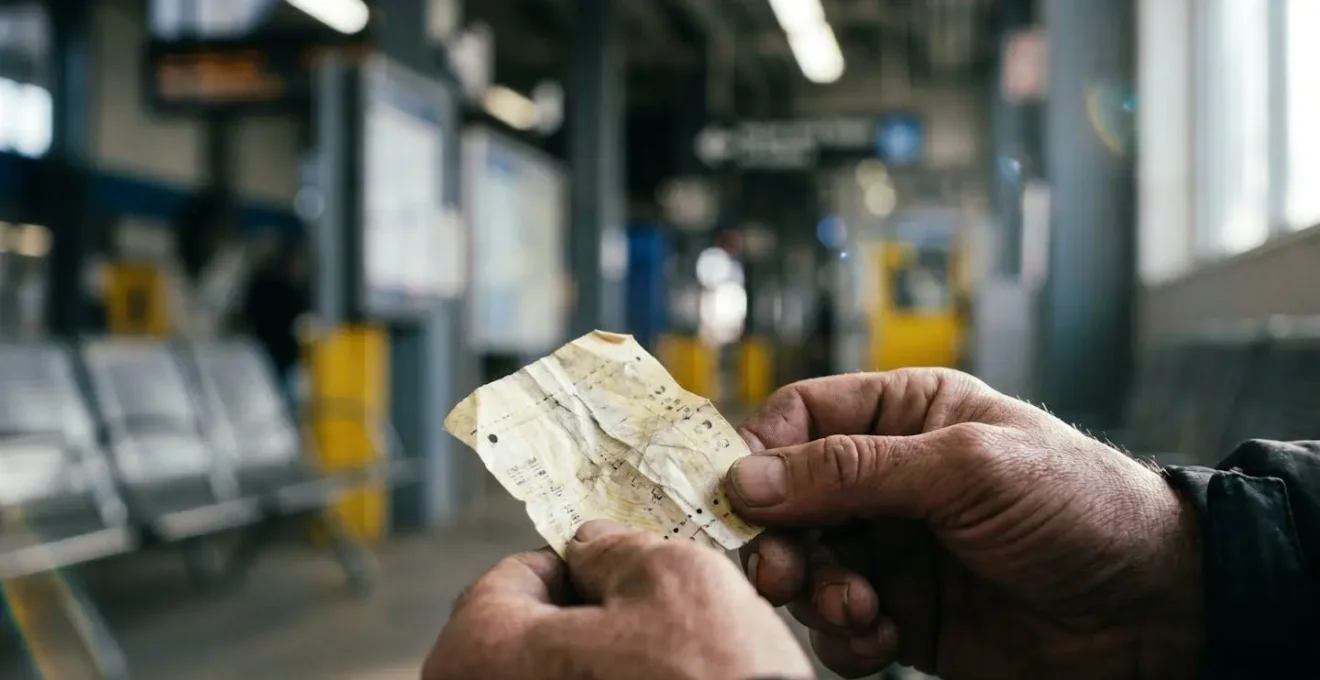
Here, recruiters can observe potential targets for hours. They watch for kids who are alone, look disconnected, or are travelling at unusual times, like during school hours. This is where the initial approach often happens—a friendly conversation, an offer of food or a drink, a shared cigarette. It’s a low-risk, high-reward environment. The work of charities like Railway Children, who place outreach workers at these transport hubs, proves this is a known battleground. They actively seek to intervene because they know this is where the vulnerability of a lone child meets the predatory intent of the gang.
For the gang, these hubs serve a dual purpose: recruitment and transport. Once a child is roped in, these are the locations where they will be handed packages and tickets and sent ‘country’. They are the start and end points of the supply line. If your child is spending an unusual amount of time at these locations, they are not just ‘hanging out’. They are on gang territory.
The ‘Stolen’ Bike: How Gangs Manufacture Debt to Enslave Children?
Let me be clear: children in county lines are rarely in debt because they borrowed money. They are in debt because the debt was manufactured for them. This is a core tactic, a deliberate strategy to create a state of permanent servitude known as debt bondage. It often begins after the initial grooming and gifting phase. The gang will ‘lend’ the child something of value—a bike, a scooter, a phone, or even a small amount of drugs to hold.
Then, the item is ‘stolen’ or ‘lost,’ often by another member of the same gang. Suddenly, the child is told they are responsible for a debt, usually an amount far exceeding the item’s actual worth. Interest, or ‘tax,’ is added daily. The child is now trapped. They have no way to pay back a spiralling, imaginary sum. The only ‘solution’ offered is to work it off. This means carrying a package, holding cash, or acting as a lookout. Each ‘job’ they do only chips away at the ‘interest,’ never the principal debt, which continues to grow.
This isn’t a financial transaction; it’s a psychological cage. The fear of what will happen if they don’t pay is reinforced with threats against them or their family. This fear is not unfounded. In a stark finding, it was reported that violence was used as a control mechanism in cases of mistakes or accusations of theft, with 70 per cent of areas reporting violence used towards runners. The child is now an owned asset, controlled by a fabricated debt and the real threat of violence. They are a slave.
Going ‘Country’: What to Do If Your Child Disappears for 48 Hours?
The term ‘going country’ or ‘going OT’ (Out There) is the language of the streets. It means being sent from a city base to a provincial town—a coastal village or a market town—to sell drugs. This is the operational phase of the county line. If your child disappears for a day or two and returns with a vague story, you must consider the possibility they have just completed a ‘tour’. They may be uncommunicative, exhausted, or show signs of trauma. They will also likely have cash they can’t explain.
Do not dismiss this. A 48-hour absence is not a typical teenage rebellion in this context; it is a red flag for active, high-risk involvement. Your child has been isolated, likely in a ‘trap house’ (a drug user’s home taken over by the gang), and forced to deal with dangerous and desperate individuals. They are in over their head, and their life is in danger. You need to act, not with anger, but with intelligence.
Your role now shifts to that of an investigator. You must start gathering evidence and observing without alerting your child, who may be under threat not to talk. Look for the signs. This is not the time for benefit of the doubt. This is the time for cold, hard assessment.
Field Manual: A Checklist for Identifying Involvement
- Travel & Logistics: Have you found unexplained bus or train tickets? These indicate travel outside their normal routines and are physical proof of movement.
- Communications & Tech: Have they acquired multiple mobile phones, tablets, or SIM cards? This is standard gang tradecraft to maintain operational security and avoid tracking.
- Language & Slang: Are they using specific terms like ‘going country,’ ‘cuckooing,’ or ‘trap house’? This is them adopting the language of their new ’employers’.
- Unexplained Assets: Do they have more money, expensive clothing, or new accessories than they can realistically account for? This is their payment, or the tools of the trade.
- Behavioural & Emotional Shifts: Are they missing from school or home for periods? Are they showing significant changes in emotional well-being, becoming withdrawn, aggressive, or fearful?
National Referral Mechanism: How to Prove Your Child is a Victim, Not a Criminal?
When you discover your child’s involvement, your first instinct may be to call the police and report them as a criminal. This is a critical error. The gangs rely on this. They want your child to have a criminal record, which makes them more dependent on the gang for a sense of belonging and income. Your primary objective must be to reframe the narrative: your child is not a perpetrator; they are a victim of modern slavery.
The tool for this is the National Referral Mechanism (NRM). The NRM is the UK’s official framework for identifying and supporting victims of human trafficking and modern slavery. A referral by a designated ‘first responder’ (such as the police, a local authority, or some charities) can start a process that, if successful, leads to a conclusive decision that your child is a victim. This decision is powerful. It can influence criminal proceedings and provide access to vital support services.

To make a successful referral, you need evidence. This is where your investigation becomes crucial. The checklist from the previous section is your guide. Document everything: screenshots of messages, photos of unexplained items, records of unexplained absences, names of new ‘friends’. Your dossier of evidence will be the foundation of the NRM referral. Do not underestimate the power of this process. The system is designed to recognise genuine victims, and data shows that 86% of National Referral Mechanism referrals receive a positive decision at the ‘Reasonable Grounds’ stage. This is your way of fighting back, using the system to protect your child instead of letting it be used to prosecute them.
Virtual Currency: How Predators Use ‘Free Skins’ to Create a Sense of Debt?
The recruitment process isn’t confined to the streets. For middle-class children, who often live more of their lives online, the grooming frequently begins in the digital world. The same principles of debt manufacturing are applied, but the currency is different. Instead of trainers, it’s virtual items: ‘skins’ for a character, high-level gaming accounts, or in-game currency like V-Bucks.
A predator will enter a game or a Discord server and befriend a young person. They will ‘gift’ them a high-value item. The child, thrilled by this generosity, feels a sense of loyalty and indebtedness. Then, just like the ‘stolen’ bike, the digital item is ‘lost’ or ‘hacked’—often by the predator themselves or an associate. The child is then blamed and told they owe an exorbitant sum to replace it. The debt feels just as real and terrifying to a teenager as a physical one. As The Children’s Society has documented, gangs create this digital debt bondage and then demand repayment in the real world.
This tactic is insidious because it’s almost invisible to parents. You may see your child is obsessed with a game, but you don’t see the social engineering and coercion happening through their headset. They are being isolated and controlled within a virtual world that you don’t have access to. The gang is leveraging your child’s passion and turning it into a weapon against them, creating a bridge from a fantasy world directly into real-world criminal exploitation.
GoHenry or Cash: How to Teach Budgeting in a Cashless Society?
You might think giving your child a GoHenry card or using a digital pocket money app teaches them financial responsibility. In some ways, it does. But it can also mask a dangerous vulnerability: a fundamental lack of understanding about the real-world value and consequences of money. In a cashless society, money becomes an abstract concept, a number on a screen. This abstraction is a weakness that gangs are adept at exploiting.
A teenager who has never had to handle physical cash, save for a significant purchase, or understand the pain of losing a £20 note is ill-equipped to comprehend the gravity of a £1,000 manufactured debt. The numbers are just numbers. This financial naivety makes them a prime target. They are easily impressed by a flash of cash and easily terrified by a large, intimidating figure attached to a debt.
Teaching budgeting is not just about tracking spending on an app. It’s about grounding them in reality. It’s about explaining what it takes to earn that money, the hours of work involved. Without this context, they cannot weigh the risks they are taking. The number of young people involved in this is staggering; as of July 2023, the Children’s Commissioner estimated that around 27,000 young people were county lines gang members. Many of them were ensnared because they simply did not understand the game they were being forced to play, or the value of the chips.
Key takeaways
- Gangs operate like a franchise, targeting suburbs for strategic expansion, not random crime.
- Debt is not accidental; it is manufactured by gangs as a primary tool of control and enslavement.
- Your child’s vulnerability is not just about poverty; it’s about boredom, status-seeking, and a lack of real-world financial literacy.
Online Grooming Myths: Why Smart Kids Are Just as Vulnerable as Lonely Ones
The most dangerous myth is that only lonely, troubled, or unintelligent children are vulnerable to grooming. This is a comforting lie that allows parents to feel secure. The hard truth is that gangs often target smart, popular, and confident kids. Why? Because they make better assets. A confident, articulate child is more convincing at a drug user’s door. A popular child with a wide social network provides access to a pool of potential new recruits. A smart child is better at managing the logistics of the operation and avoiding detection.
Gangs don’t prey on weakness exclusively; they exploit any available trait. They prey on boredom in affluent areas. They prey on a teenager’s natural desire for risk, excitement, and a sense of belonging to something exclusive and powerful. They offer a twisted version of a coming-of-age story. For a middle-class child who has had a relatively sheltered life, the raw, illicit world of the gang can seem incredibly appealing, a stark contrast to their predictable suburban existence.
The scale of this shift is shocking. We have seen an 807 per cent increase in children referred to the National Referral Mechanism in relation to county lines in recent years. This is not a static problem; it is an epidemic that is accelerating and diversifying its recruitment portfolio. Your child’s intelligence or social standing is not a shield. In some cases, it’s the very thing that makes them a target.
Your belief that « it can’t happen here » is the gang’s greatest advantage. It is the camouflage that allows them to operate. The first step to protecting your child is to discard this denial. Open your eyes, learn their tactics, and start paying attention to the details you’ve been dismissing. Your child’s future depends on you seeing the board for what it is.